

Steel Wire
Why choose us?
After more than ten years of development, we have won a good reputation among customers in Europe, Africa, Latin America, Southeast Asia, the Middle East and other regions. We maintain cooperation with many domestic and foreign agents and distributors and look forward to your joining!
Strong Production Capacity
Tangshan Xunzhuo International Trade Co., Ltd. is a steel group company integrating the steel industry and international trade. We have 7 production lines, more than 500 employees, and a monthly production capacity of 100,000 tons, completing orders for customers efficiently and timely.
Complete Range of Products
The company's main products include galvanized steel coils, galvalume steel coils, color-coated steel coils, corrugated steel roof panels, cold-rolled hard steel, aluminum color-coated coils, tinplate, TFS and other plates as well as angle steel, channel steel, H-shaped steel, Wire rod, rebar/rebar, steel pipe, steel strip, etc.
Strict Quality Inspection
Professional technical quality inspection personnel conduct quality inspections on the products ordered by customers. From production, packaging to transportation, they carefully conduct quality tracking throughout the entire process to ensure that customers receive satisfactory products.
Professional Service
We have a professional service team and a complete sales process. All personnel in each position of the company have more than many years of foreign work experience. The overall team has professional knowledge, contract performance capabilities and risk resistance capabilities to provide customers with professional and high-quality services.


Introduction to Steel Wire
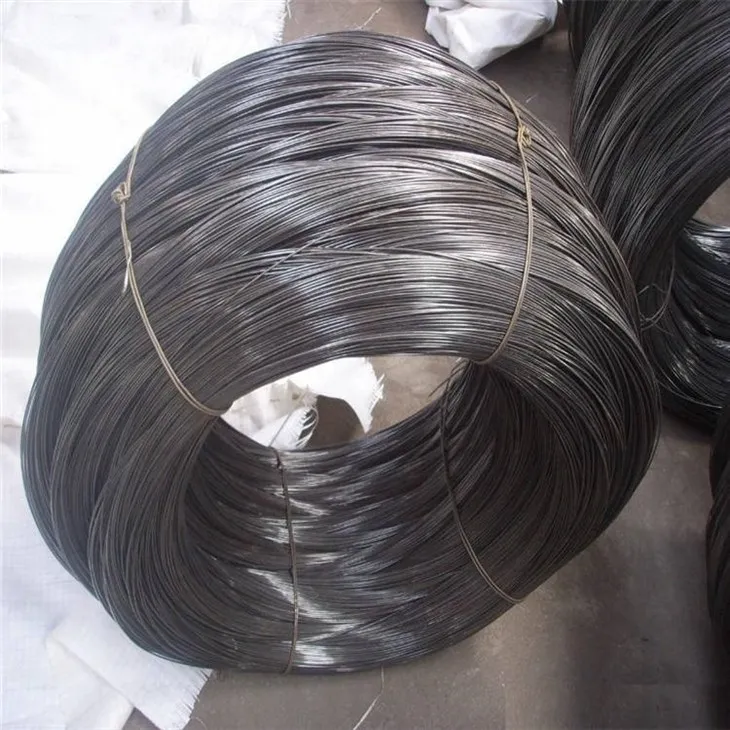
Steel wire is a flexible, cylindrical strand made of steel. It is used for various applications however one of the important uses include lifting heavy materials in construction, logistics, infrastructure industries. Its manufacturing process generally involves several processes such as rolling, surface heating, etc.
Different Types of Steel Wire
Music Wire
Named for its use in piano strings, music wire could be considered the “work horse” of steel wire. Its high carbon content makes it a strong, durable, all-around wire that is excellent for high levels of stress and repeated loads (for example, in springs or surgical equipment).
Oil Tempered Wire
Similar in structure to music wire, oil-tempered wire is usually drawn to thicker diameters, then heated and “quenched” with oil to make it both strong and flexible. This wire is also used for spring applications, such as garage door springs.
Broom Wire
Most commonly used in the brushes of street cleaners, broom wire is usually a strong, high-carbon wire that is galvanized or PVC-coated to endure repeated friction.
Duct Wire
This is a flexible coated wire that is commonly used to provide structure and flexibility, such as with heating and air ducts that have to curve around corners while retaining their shape.
Hard-Drawn Wire
This is steel wire that has simply been drawn to a certain diameter without any additional treatment or tempering. It’s a good all-around wire for bending into wire forms or springs, but it is unable to endure high amounts of stress the way music wire does. It’s frequently used in products like metal baskets, shopping carts, safety pins, and some auto parts.
Chrome Silicon Wire
This steel alloy wire is cold-drawn and heat-treated to be exceptionally strong, able to withstand shock and high-impact loads that the typical wire spring could not withstand. It’s an excellent choice for recoil springs in guns or in high performance vehicles.
Low Carbon Steel Wire
High carbon content makes steel strong, but at the expense of flexibility. For applications where the wire needs to bend more easily, (like low-stress springs or coat hangers) low carbon steel is a better option.
Patent Wire
Patenting refers to a specific treatment process by which steel wire is heated and quenched to make it stronger and more durable. Patent wire is useful for high-tension applications and for wire rope.
Benefits of Galvanized Steel Wire
Resistance To Rust & Corrosion
One of the biggest advantages of galvanized steel wire is its resistance to rust and corrosion. This makes it an ideal choice for outdoor applications where other types of metal wires would quickly succumb to the elements.
Ease Of Installation
In addition to being affordable and long-lasting, galvanized steel wire is also very easy to install. It can be cut and shaped to fit nearly any application, making it a versatile option for a wide range of projects.
Easier To Maneuver and Handle
Additionally, galvanized steel wire is much easier to handle and maneuver than other types of metal wires, making it a good choice for projects that require a lot of precision.
Low Maintenance Costs
Galvanized steel wire has low maintenance costs. Once it is installed, you won’t have to worry about rust or corrosion requiring expensive repairs or replacements.
Long Lifespan
Galvanized steel wire also has a long lifespan. With proper care and maintenance, it can last for many years without needing to be replaced, making it a wise investment for any home or business owner.
Affordability
Another big advantage of galvanized steel wire is its affordability. While it may not be the cheapest option on the market, it is still relatively affordable compared to other types of metal wires. This makes it a good choice for those who are working with a tight budget.
Strong and Durable
Finally, galvanized steel wire is also very strong and durable. This makes it an excellent choice for applications where high tensile strength is required, such as in handrails or roofing.
Withstand Extreme Temperature
It can also withstand extreme temperatures without breaking or cracking, making it a good choice for use in both hot and cold climates..
Common Uses of Steel Wire



Construction
Strong wires or strands are most at home on a construction site. Workers have found many ways to put sturdy wires to good use that fibrous ropes might not be able to achieve. They use the wires for lifting heavy things like cement blocks, machinery, or even people in the lift. Steel wires are also used in some parts of the construction itself, serving as extra support. The construction applications of these wires depend heavily on the type of construction being done and on the processes happening on the site, but either way, you will still be able to find a good use for steel wires for construction.
Aerospace
The aerospace industry also capitalizes on using steel wires. When it comes to connections, it’s better to have something sturdy and light at the same time. The high altitude means that all parts are subject to plenty of heat, pressure, and corrosion, and the wire ropes are naturally resistant to all those. Needless to say, a fibrous rope could easily snap. Thanks to the nature of steel strands, they work well as connectors to pedals, levers, and other mechanisms in an aircraft. It can also be used in the controlling of flaps and propellers and minimizes vibrations throughout the craft.
Manufacturing
Practically everything about a factory can be improved by the application and integration of steel wires. In the manufacturing industry, steel wires fit in because it helps equipment work and it functions as a good hoist when needed as well. Factories have multiple mechanisms to move around items and people. You can expect steel wires to be a part of conveyor belts, lifts, and other devices.
Automotive
Steel wires are widely used in the transportation industry other than aerospace. Like aerospace, steel wires are used as connectors for pedals and other mechanisms. Imagine you’re in a car factory. You would see car parts all over the place, being lifted and transported, sometimes being worked on by advanced robots and machinery. At the core of all these processes, you will be able to find steel wires. Wire ropes are extensively used in the production of parts: moving heavy loads, supplying parts, positioning equipment, and directly contributing to the creation of several automotive parts.
Entertainment
The versatility of steel wires has let them become useful even in the entertainment industry. Steel wires are incorporated in the rigging used for most movie stunts. It also helps in carrying and moving equipment between scenes, takes, and locations. This safety measure application of steel wires is also done in amusement park rides. Wires reinforce safety measures in rides and it is also used to pull rollercoasters and support the entire weight of cable cars.
Mining
One of the first major users of steel wires was the mining industry. In some countries, the industry is still leading in steel wire consumption. It can be found in almost any step of the mining process - from lifting shafts, extracting minerals, becoming connections for mining equipment, to resource transportation. Considering the dangers that come with this activity, the strength of the wire could mean life and death for many workers. That’s why only the strongest steel wires are selected and acquired for this industry.
How is Galvanized Wire Made?
Wire Drawing: The first step involves drawing the base wire through a series of dies to reduce its diameter and achieve the desired thickness. This process also helps in improving the wire's mechanical properties.
Cleaning: Once the wire is drawn, it undergoes a thorough cleaning process to remove any impurities, dirt, or rust that may be present on the surface. This is crucial for ensuring proper adhesion of the zinc coating.
Fluxing: After cleaning, the wire is passed through a flux solution or bath. Fluxing helps to remove any remaining oxides from the wire's surface and prepares it for the galvanizing process.
Galvanizing: The cleaned wire is then immersed in a molten zinc bath at a temperature of around 450-460°C (842-860°F). The zinc bath contains a mixture of zinc oxide and other additives that promote adhesion and uniformity of the zinc coating. As the wire is submerged, the molten zinc reacts with the steel surface to form a metallurgical bond.
Removal of Excess Zinc: Once the wire is withdrawn from the zinc bath, excess molten zinc is removed by passing the wire through a series of air knives or rollers. This step ensures that the final coating thickness is consistent and within the desired specifications.
Cooling and Solidification: After the excess zinc is removed, the wire is allowed to cool and solidify. This solidification process completes the formation of the zinc coating, which provides the wire with corrosion resistance.
Post-Treatment: In some cases, the galvanized wire may undergo additional post-treatment processes to further enhance its properties. This can include chromate treatment or passivation, which improves the wire's appearance, provides additional corrosion resistance, and acts as a barrier against white rust formation.
Final Inspection and Packaging: The galvanized wire is inspected for quality assurance, ensuring that it meets the required specifications in terms of coating thickness, adhesion, and overall quality. Once approved, the wire is typically coiled or packaged according to customer requirements for shipment and storage.
Check the Raw Material
High-quality galvanized wire is usually made of high-quality low-carbon steel wire or stainless steel wire. You can ask the seller about the source and quality of the raw material.
Zinc Layer Thickness
The zinc layer thickness directly affects the corrosion resistance and service life of the galvanized wire. Generally, the thicker the zinc layer, the better the anti-corrosion performance. You can use a micrometer or a magnifying glass to check the thickness of the zinc layer.
Surface Treatment
A smooth and uniform surface indicates a high-quality galvanized wire. Check for any bubbles, scratches, or unevenness on the wire surface.
Elongation Rate
A good galvanized wire should have a high elongation rate. You can perform a simple test by stretching the wire to observe its elasticity and recovery.
Color and Brightness
High-quality galvanized wire usually has a bright and uniform color. Check for any discoloration or dullness on the wire surface.
Certification and Warranty
Ensure that the galvanized wire you choose has relevant certifications and warranties, which indicate its compliance with quality standards and the manufacturer's confidence in the product.
Price comparison
Compare the prices of different galvanized wires in the market. Keep in mind that cheaper products might compromise on quality. However, don't solely rely on price as the determining factor.
Important Advice for Caring for Galvanized Steel Wire
Regular Cleaning: It is essential to clean galvanized steel wire mesh regularly to remove any accumulated dirt, debris, or other contaminants. Use a hose, brush, or pressure washer to clean the mesh thoroughly.
Inspection: Regularly inspect the mesh for signs of damage such as rust, corrosion, or bent wires. Repair or replace any damaged sections immediately to prevent further deterioration.
Lubrication: Lubricate any moving parts or hinges on gates or doors to ensure smooth operation and prevent rusting.
Avoid Harsh Chemicals: Avoid using harsh chemicals or abrasive cleaners that can damage the galvanized coating on the wire mesh. Use mild detergents or soaps instead.
Proper Installation: Ensure that the mesh is installed correctly and securely to prevent sagging or bending, which can lead to damage over time.
Proper Storage: If you need to store galvanized steel wire mesh, ensure it is kept in a dry and well-ventilated area to prevent rusting and corrosion.
To protect steel wire, it is essential to keep it away or isolated from moisture. Here are some storage tips:
Storing steel wire in a dry place isolated from its surrounding environment is ideal.
Make sure that the steel wire is not touching the ground; you can use wooden or plastic platforms to isolate it.
If possible try to use thick plastic to protect the steel wire.
Protect steel wire against harsh weather conditions, moreso you keep it stored outside.
Keep industrial wire indoors.
Try to avoid contact between the industrial wire and liquids or chemicals, including common cleaning agents.
Store steel wire on solid, smooth ground and make sure there is space between coils or bundles in order to avoid malformations.
Avoid exposing the steel wire to humid environments, for example: beaches.
Galvanized Wire vs. Annealed Wire
Rust Resistance
Some applications require enhanced resistance to weather damage. If the wire for your application will be out in the elements, annealed wire might not be the best choice. Making annealed wire changes the steel's physical properties, making it more prone to rust if used outdoors or in wet conditions.
Will galvanized wire rust? Galvanized wire is much more resistant to rust than annealed wire. If your application will expose the wire to weather and salt like in shipyards, galvanized steel wire is better than annealed wire.
Flexibility
The manufacturing process of annealed wire makes it more flexible than regular steel wire. This characteristic makes annealed wire more versatile than wire that has not undergone this process. Annealed wire would be an ideal choice when high flexibility is essential. In contrast, galvanized wire is sturdier and has less adaptability.
Durability
Because of its water and damage resistance, galvanized wire offers more durability than annealed wire in specific conditions. Bezinal® provides better corrosion resistance than galvanized wire due to the addition of aluminum. If you need a sturdy, long-lasting wire, Bezinal® might be your best option.
Frequently Asked Questions
We're professional steel wire manufacturers and suppliers in China, specialized in providing high quality customized service. We warmly welcome you to wholesale high-grade steel wire in stock here from our factory. Contact us for quotation.