

As a seasoned provider of flat products, I've often encountered the question: Are flat products resistant to chemicals? This query is of paramount importance, especially for industries where flat products are exposed to various chemical environments. In this blog, I'll dive into the intricacies of chemical resistance in flat products, drawing on my experience and industry knowledge.
Let's first understand what flat products are. In our context, flat products refer to a wide range of materials such as steel coils, strips, and sheets that are ubiquitous in industries like construction, automotive, and manufacturing. These products come in different forms and finishes, each with its own set of properties and capabilities in terms of chemical resistance.
One of the key factors influencing the chemical resistance of flat products is the material composition. For instance, steel is a common base material for many flat products. However, the type of steel and its alloying elements can significantly alter its chemical resistance. Stainless steel, which contains chromium, nickel, and other elements, is well - known for its excellent resistance to corrosion and many chemicals. The chromium in stainless steel forms a passive oxide layer on the surface, protecting the underlying metal from chemical attack.
On the other hand, carbon steel, while strong and cost - effective, is more prone to corrosion when exposed to certain chemicals. In a highly acidic or alkaline environment, carbon steel can rust and deteriorate relatively quickly without proper protection. This is where surface treatments come into play.
Surface treatments are a crucial aspect of enhancing the chemical resistance of flat products. Galvanization is a widely used process where a layer of zinc is applied to the surface of steel. Zinc acts as a sacrificial anode, corroding in place of the steel and providing a protective barrier against chemicals. Hot Dipped Galvanized Steel Strip is an example of a flat product that benefits from this treatment. The hot - dipped process results in a thick, durable zinc coating that can withstand exposure to some mild chemicals and outdoor elements.
Another advanced treatment is chromating. Chromated Galvalume Steel Coil, as you can find more about at Chromated Galvalume Steel Coil, combines the advantages of galvalume (a zinc - aluminum alloy coating) with a chromate conversion coating. The chromate layer provides additional protection against oxidation and chemical attack, making the coil suitable for more demanding environments.
Pre - painted finishes are also popular for enhancing both the aesthetic appeal and chemical resistance of flat products. RAL 2004 Pre - Painted Galvanized Steel Coil is an example. The paint acts as a barrier between the steel and the surrounding chemicals. It can resist common chemicals found in industrial settings, such as mild solvents and cleaning agents. However, the effectiveness of the paint depends on its quality, thickness, and the application process.
To assess the chemical resistance of flat products, it's essential to consider the specific chemical environment they'll be exposed to. Different chemicals have different levels of aggressiveness. For example, acids like sulfuric acid and hydrochloric acid can be extremely corrosive to many metals. In contrast, some organic solvents may have a more limited impact, depending on the material and its surface treatment.
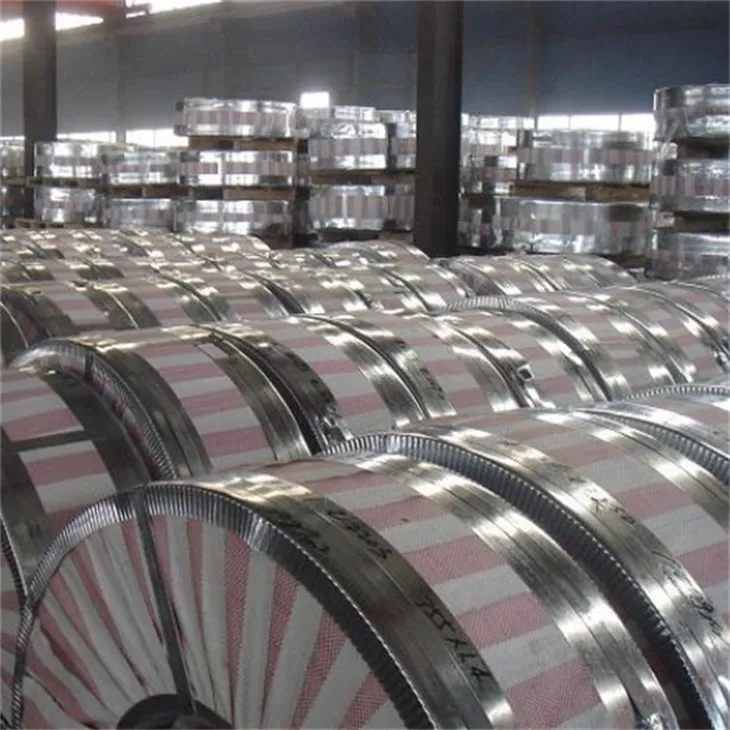

In industrial applications, flat products are often used in environments where they'll come into contact with a variety of chemicals. In the chemical processing industry, for instance, flat products are used in tanks, pipes, and machinery. These products need to resist the specific chemicals being processed, whether it's caustic soda, nitric acid, or other corrosive substances. In the food and beverage industry, flat products are used in equipment such as storage tanks and processing lines. Here, they need to be resistant to food acids, detergents, and sanitizers.
While many flat products can offer a certain degree of chemical resistance, it's important to note that no product is completely immune. Over time, continuous exposure to harsh chemicals can still lead to degradation, even with the best surface treatments. Regular inspections and maintenance are crucial to ensure the long - term performance of flat products in chemical - exposed environments.
In construction, flat products are used in roofing, cladding, and structural components. Buildings in coastal areas or industrial regions may be exposed to salt - laden air or chemical pollutants. Properly treated and coated flat products can help protect these structures from corrosion and chemical damage. However, the choice of product should be based on a detailed assessment of the local environment and the expected chemical exposure.
When it comes to automotive manufacturing, flat products are used in body panels, chassis components, and engine parts. These parts may be exposed to road salts, automotive fluids, and other chemicals. Automotive manufacturers carefully select flat products with appropriate chemical resistance to ensure the durability and safety of their vehicles.
In conclusion, the chemical resistance of flat products is a complex topic influenced by material composition, surface treatments, and the specific chemical environment. At our company, we offer a wide range of flat products, each engineered to meet different requirements in terms of chemical resistance. Whether you need a flat product for a mild chemical environment or one that can withstand highly corrosive substances, we have the expertise to provide the right solution.
If you're in the market for high - quality flat products with excellent chemical resistance, we invite you to reach out to us for a detailed discussion. Our team of experts is ready to assist you in selecting the most suitable products for your specific application. Let's work together to find the perfect flat products that meet your chemical resistance needs and exceed your expectations.
References
- "Corrosion Science and Engineering" by John W. Pring
- "Metals and Alloys in the Corrosive Environment" by L. L. Shreir, R. A. Jarman, G.T. Burstein