

Hey there! As a JIS H - Beam supplier, I often get asked whether JIS H - Beam can be used in power plant structures. Well, let's dive right into this topic and explore the ins and outs.
First off, what exactly is a JIS H - Beam? JIS stands for Japanese Industrial Standards. JIS H - Beam is manufactured according to these specific Japanese standards. It has a distinct H - shaped cross - section, which gives it excellent load - bearing capabilities. The shape distributes the load evenly across the beam, making it a popular choice in many construction projects.
Now, when it comes to power plant structures, there are some unique requirements. Power plants are complex facilities that house various equipment, including turbines, generators, and boilers. These structures need to support heavy loads, resist seismic forces, and withstand harsh environmental conditions over a long period.
One of the key advantages of using JIS H - Beam in power plant structures is its strength. The high - strength steel used in JIS H - Beams can handle significant vertical and horizontal loads. For example, in a power plant, there are large pieces of equipment that need to be supported on elevated platforms. JIS H - Beams can provide the necessary structural support to ensure the stability of these platforms.
Another important factor is the precision of manufacturing. JIS standards are known for their strict quality control. This means that JIS H - Beams have consistent dimensions and properties. In a power plant, where accuracy is crucial, this consistency is a big plus. You don't have to worry about variations in the beam's strength or size, which could potentially lead to structural issues.
Seismic resistance is also a major consideration in power plant design. Power plants are often located in areas where earthquakes are a possibility. JIS H - Beams are designed to be ductile, which means they can deform slightly under seismic loads without breaking. This ductility helps the structure absorb and dissipate the energy from an earthquake, reducing the risk of catastrophic failure.
However, it's not all sunshine and rainbows. There are some challenges when using JIS H - Beam in power plant structures. One of the main concerns is corrosion. Power plants can have harsh environments, with high humidity, chemicals, and sometimes even saltwater in coastal areas. If not properly protected, JIS H - Beams can corrode over time, which can weaken the structure.
That's where Galvanized H - Beam comes in. Galvanization is a process where a layer of zinc is applied to the surface of the steel beam. This zinc layer acts as a sacrificial anode, protecting the steel from corrosion. So, if you're planning to use JIS H - Beams in a power plant, especially in a corrosive environment, galvanized JIS H - Beams are a great option.
Cost is another factor to consider. JIS H - Beams may be more expensive than some other types of beams. But when you think about the long - term benefits, such as the high strength, precision, and seismic resistance, the cost may be justified. Also, the use of high - quality materials can reduce maintenance costs in the long run.

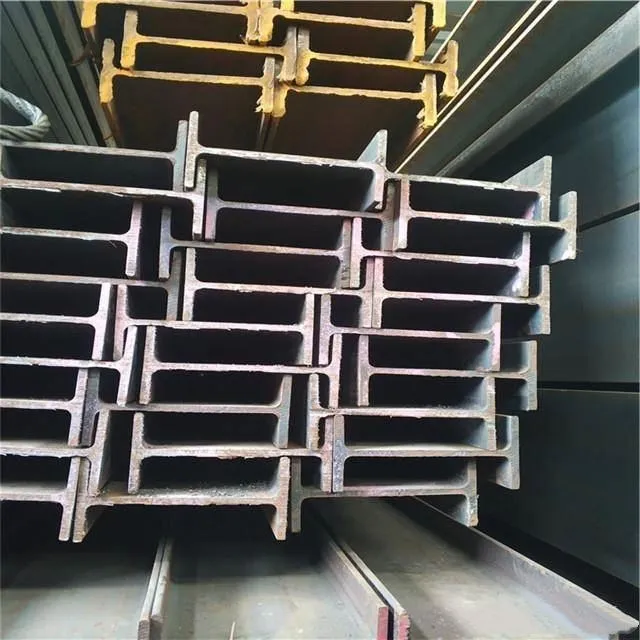
In addition to galvanized H - Beams, Hot Rolled Steel H - Beam is also relevant here. Hot - rolling is a manufacturing process that gives the beam its final shape. Hot - rolled JIS H - Beams have good mechanical properties and are often used in structural applications. The hot - rolling process can also improve the beam's surface finish and internal structure.
Now, let's talk about installation. Installing JIS H - Beams in a power plant requires skilled labor and proper equipment. The beams need to be accurately positioned and connected to other structural elements. This is crucial for the overall integrity of the power plant structure. It's important to work with experienced contractors who are familiar with the installation of JIS H - Beams.
When it comes to regulatory compliance, power plants are subject to strict regulations. You need to make sure that the JIS H - Beams you use meet all the relevant safety and environmental standards. This may involve getting certifications and approvals from regulatory bodies.
In conclusion, JIS H - Beams can definitely be used in power plant structures. They offer many advantages in terms of strength, precision, and seismic resistance. However, you need to be aware of the challenges, such as corrosion and cost. By taking appropriate measures, like using galvanized beams and ensuring proper installation and compliance, you can make the most of JIS H - Beams in your power plant project.
If you're considering using JIS H - Beams for your power plant or any other construction project, I'd love to have a chat with you. Whether you have questions about the product, pricing, or installation, feel free to reach out. Let's work together to find the best solution for your needs.
References
- Japanese Industrial Standards (JIS) for steel products
- Engineering handbooks on structural steel design
- Research papers on the use of steel beams in power plant structures