

Installing angle steel on a concrete surface is a common task in various construction and industrial projects. As an angle steel supplier, I've witnessed firsthand the importance of a proper installation process. In this blog post, I'll guide you through the steps of installing angle steel on a concrete surface, from preparation to the final touches.
Understanding Angle Steel
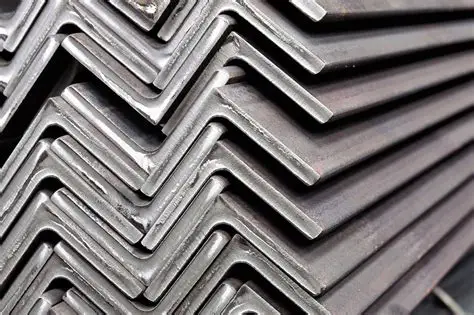
Before we dive into the installation process, it's essential to understand what angle steel is and its applications. Angle steel, also known as angle iron, is a L-shaped structural steel product. It comes in various sizes, thicknesses, and materials, making it a versatile choice for many projects.
We offer a wide range of angle steel products, including JIS Standard Unequal Angle and JIS Equal Steel Angle. These products are manufactured to meet high-quality standards and are suitable for different applications, such as building frames, supports, and brackets.
Another type of angle steel we supply is Agricultural Machinery And Vehicles Manufacture Angle Steel. This specific angle steel is designed to withstand the rigors of agricultural machinery and vehicle manufacturing, providing strength and durability.
Preparing for Installation
The first step in installing angle steel on a concrete surface is preparation. This involves several crucial tasks to ensure a successful installation.

1. Safety Precautions
Safety should always be your top priority. Wear appropriate personal protective equipment (PPE), including safety glasses, gloves, and a hard hat. If you're working at height or in a hazardous environment, use additional safety equipment such as a safety harness.
2. Gather Tools and Materials
You'll need several tools and materials for the installation process. The essential tools include a drill, masonry bits, a hammer drill, a level, a tape measure, a wrench, and a marker. The materials required are angle steel, concrete anchors, and screws.
3. Measure and Mark the Concrete Surface
Use a tape measure to determine the exact location where you want to install the angle steel. Mark the positions on the concrete surface using a marker. Make sure the marks are straight and level. You can use a level to ensure accuracy.
4. Select the Right Angle Steel
Choose the appropriate angle steel for your project based on the load requirements and the application. Consider the size, thickness, and material of the angle steel. If you're unsure which type of angle steel to use, consult with our experts at the supply store.
Drilling Holes in the Concrete
Once you've prepared the concrete surface and selected the right angle steel, the next step is to drill holes in the concrete for the anchors.
1. Choose the Right Drill Bit
Use a masonry drill bit that is suitable for the type of concrete you're working with. The size of the drill bit should match the size of the concrete anchors you'll be using.
2. Drill the Holes
Set the drill to the appropriate speed and start drilling the holes at the marked positions on the concrete surface. Apply steady pressure and keep the drill perpendicular to the surface. Make sure the holes are deep enough to accommodate the concrete anchors.
3. Clean the Holes
After drilling the holes, use a brush or compressed air to clean out any dust or debris from the holes. This will ensure a better bond between the anchors and the concrete.
Installing the Concrete Anchors
With the holes drilled and cleaned, it's time to install the concrete anchors.
1. Insert the Anchors
Insert the concrete anchors into the drilled holes. Make sure they are fully seated and flush with the concrete surface. You may need to tap the anchors gently with a hammer to ensure they are properly inserted.
2. Check the Anchors
Use a wrench to check if the anchors are secure. They should not move or wobble. If an anchor is loose, remove it and drill a new hole in a slightly different location.
Attaching the Angle Steel
Once the concrete anchors are installed, you can attach the angle steel to the concrete surface.
1. Position the Angle Steel
Place the angle steel over the concrete anchors, aligning the holes in the angle steel with the anchors. Make sure the angle steel is level and straight. You can use a level to check the alignment.
2. Insert the Screws
Insert the screws through the holes in the angle steel and into the concrete anchors. Use a wrench to tighten the screws securely. Make sure the angle steel is firmly attached to the concrete surface.
Finishing Touches
After attaching the angle steel, there are a few finishing touches to complete the installation.
1. Check the Installation
Use a level to check if the angle steel is still level and straight. If necessary, make any adjustments by tightening or loosening the screws.
2. Clean the Surface
Remove any dust or debris from the angle steel and the surrounding concrete surface. You can use a brush or a damp cloth to clean the surface.
3. Apply a Protective Coating
To prevent rust and corrosion, apply a protective coating to the angle steel. You can use a paint or a rust inhibitor. Follow the manufacturer's instructions for the best results.
Troubleshooting
During the installation process, you may encounter some problems. Here are some common issues and their solutions:
1. Holes Are Too Small or Too Large
If the holes are too small, the anchors may not fit properly. In this case, use a larger drill bit to enlarge the holes. If the holes are too large, the anchors may not hold securely. You can try using a larger size of anchor or filling the holes with epoxy resin before inserting the anchors.
2. Angle Steel Is Not Level
If the angle steel is not level, you can adjust the screws to level it. Loosen the screws slightly and use a level to guide you as you make the adjustments. Then, tighten the screws again.
3. Anchors Are Not Holding
If the anchors are not holding, check if they are properly inserted and tightened. If the problem persists, the concrete may be too soft or damaged. In this case, you may need to use a different type of anchor or repair the concrete before reinstalling the angle steel.
Conclusion
Installing angle steel on a concrete surface is a straightforward process if you follow the right steps. By preparing the surface, drilling the holes correctly, installing the anchors, and attaching the angle steel securely, you can ensure a successful installation.
If you have any questions or need further assistance with your angle steel installation project, don't hesitate to contact us. As a leading angle steel supplier, we have the expertise and the products to meet your needs. We can provide you with high-quality angle steel and offer professional advice on the best installation methods.
Whether you're working on a small DIY project or a large industrial construction, we're here to support you. Contact us today to discuss your angle steel requirements and start your project with confidence.
References
- "Structural Steel Design Handbook" by Jack C. McCormac
- "Concrete Construction Manual" by the American Concrete Institute