

As a supplier of Galvanized I - beams, I know firsthand how crucial it is to ensure that these products stay in top - notch condition during construction. Galvanized I - beams are a popular choice in the building industry because of their strength and corrosion resistance. But construction sites are harsh environments, and without proper protection, these beams can end up damaged, reducing both their lifespan and performance. So, let's dive into how you can safeguard those galvanized I - beams.
Pre - Construction Protection
Before the actual construction work kicks off, there are a few things you can do to protect your galvanized I - beams.
Storage
The way you store your I - beams is super important. They should be stored in a dry area. Moisture is one of the biggest enemies of galvanized coatings. If they're stored outside, make sure they're on a raised platform to prevent ground - water contact. You can also cover them with a waterproof tarp. Just be careful not to let the tarp touch the beams directly, as it can trap moisture against the surface. Also, arrange the beams in an orderly manner to avoid any damage from them knocking into each other.
Inspection
Before using the beams, give them a thorough once - over. Look for any signs of damage to the galvanized coating, like scratches or dents. If you find any minor damage, you can use a cold - galvanizing compound to repair it. This will help maintain the integrity of the protective layer and prevent corrosion from starting at those weak points.
During Construction Protection
Once the construction work begins, there are several steps you need to take to keep the beams safe.
Handling
When moving the galvanized I - beams around the construction site, use proper lifting equipment. Chains and cables can scratch the galvanized coating. Instead, opt for nylon slings or padded lifting devices. These will grip the beams securely without causing damage. Also, make sure the people handling the beams are trained. An untrained worker might accidentally drop the beam or bang it against other objects, which can ruin the coating.
Welding and Cutting Precautions
Welding and cutting are common operations during construction, but they can damage the galvanized coating. If you need to weld the I - beams, make sure to clean the area around the weld first. This will remove any dirt or debris that could interfere with the welding process. After welding, you can apply a zinc - rich paint to the welded area to restore some of the corrosion resistance.
When it comes to cutting, use a plasma cutter or a saw with a proper blade. Heat from improper cutting can cause the zinc coating to flake off. Try to minimize the heat - affected zone by using the right tools and techniques.
Protection from Abrasion
On a busy construction site, the I - beams can rub against other materials, like scaffolding, pipes, or other building components. To prevent abrasion, you can use rubber or plastic guards. These can be wrapped around the beams in areas where they're likely to come into contact with other objects. You can also add some padding to the edges of the scaffolding or other equipment that will be near the beams.
Contamination Prevention
Contamination can also pose a serious threat to galvanized I - beams.
Chemicals
Keep chemicals away from the beams. Some cleaning agents, acids, and alkalis can react with the zinc coating and cause it to corrode. If you need to clean the beams, use a mild detergent and water. Avoid using harsh industrial cleaners unless absolutely necessary, and make sure to rinse the beams thoroughly after any cleaning.
Other building materials like cement can also be a problem. If wet cement splashes onto the beams, it can etch the galvanized coating. So, always cover the beams when there's a risk of cement or other chemical splashes.
Dust and Debris
Construction sites are full of dust and debris. This can settle on the beams and hold moisture against the surface, leading to corrosion. Regularly clean the beams to remove any dust or debris. You can use a soft brush or compressed air to blow off the loose particles.

Post - Construction Protection
Once the construction is complete, there are still some steps you can take to protect the galvanized I - beams.
Inspection Again
After the project is finished, do another inspection of the beams. Look for any new damage that might have occurred during the construction process. If you find any issues, address them right away. This could involve re - applying a protective coating or making repairs to the damaged areas.
Maintenance Plan
Develop a maintenance plan for the galvanized I - beams. This should include regular inspections, cleaning, and any necessary repairs. By keeping up with the maintenance, you can extend the lifespan of the beams and ensure they continue to perform well for many years to come.
Related Products and Their Importance
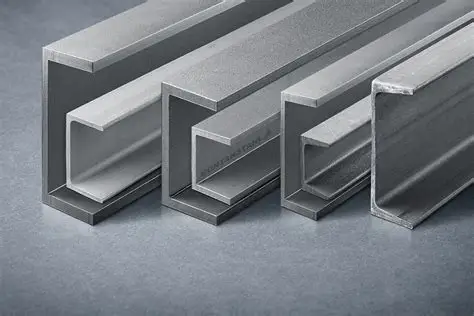
If you're working on a construction project, you might also be interested in Channel Steels. Channel steels are often used in conjunction with I - beams to provide additional support and structure. They are versatile and can be used in a variety of applications, from building frames to industrial machinery.
Another related product is Agricultural Machinery And Vehicles Manufacture Channel Steel. In the agriculture and vehicle manufacturing industries, these channel steels are crucial for building the strong and durable frames needed for machinery and vehicles.
And Agricultural Machinery And Vehicles Manufacture I - beams play a key role in the same industries. They provide the necessary strength to support heavy loads and withstand the rigors of daily use.
Let's Connect
If you're in the market for high - quality galvanized I - beams, or any of the related products I've mentioned, I'd love to talk to you. Whether you have questions about protection during construction, product specifications, or pricing, I'm here to help. Drop me a line, and let's start a conversation about how I can meet your needs.
References
- "Galvanizing Handbook" by the International Zinc Association
- Construction industry best practices for metal protection
- Manufacturer's guidelines on galvanized I - beam care and maintenance