

If you’ve ever worked in construction, manufacturing, or heavy industry, you’ve probably used long products—structural shapes, bars, pipes, and plates that form the backbone of everything from skyscrapers to industrial machinery. As a long products supplier, I’ve spent years navigating the layers of costs that go into turning raw steel into finished goods ready for delivery to job sites. These costs aren’t just random; they’re a mix of material, production, labor, and regulatory factors that can make or break a project’s budget. Understanding them is key for both suppliers and buyers to avoid surprises and keep operations running smoothly.
Raw Material Costs: The Foundation of Long Products Pricing
The biggest chunk of any long product’s cost starts with the raw materials used to make it. Most long products are steel-based, so fluctuations in steel prices directly impact your bottom line. Steel production relies heavily on iron ore and scrap metal, both of which are subject to global market forces. For example, iron ore is mined in only a handful of major regions, so supply disruptions—whether from port closures, mining strikes, or geopolitical tensions—can send prices soaring overnight. Scrap metal, meanwhile, is a recycled input, so its cost ties to domestic scrap collection rates and global demand for recycled steel.
Not all long products use the same raw materials, either. Take ordinary steel plates, for instance, which are often made from virgin iron ore for their consistent strength and thickness. If you’re producing a product that requires corrosion resistance, like stainless rectangle pipe, you’ll add alloying elements such as chromium and nickel. These metals have their own volatile markets, often tied to mining output from countries like South Africa or Indonesia, so even a small increase in chromium prices can push stainless steel product costs up significantly. Even small section steel flat bar, which uses less material than large structural beams, still depends on the same raw steel inputs, so every market shift hits these products too.
Another often-overlooked raw material cost is energy. Steel production is energy-intensive: traditional blast furnaces burn coal to melt iron ore, while electric arc furnaces (EAFs) use electricity to melt scrap. Energy costs make up 20-30% of total steel production costs, depending on the method. If natural gas or electricity prices spike—whether from pipeline issues, regulatory changes, or seasonal demand—those costs get passed along to long products buyers.
Production Process: Efficiency and Equipment Costs
Turning raw material into a finished long product isn’t a one-step process; it involves several stages, each with its own costs. Let’s walk through a common example: producing angle steel, a structural shape with two sides meeting at a right angle. The process starts with a billet (a semi-finished steel bar), which is heated in a reheat furnace to make it malleable. Then, it’s passed through a series of rolling mills that shape the billet into the exact angle dimensions you need. Finally, it’s cooled, straightened, and cut to length. Each step requires specialized equipment that’s expensive to buy and maintain.
Rolling mills are the workhorses of long products production, and they’re not cheap. A single rolling mill line for angle steel can cost millions of dollars, and regular maintenance is critical to avoid downtime. If a mill breaks down, production stops, and you lose money every hour the line is idle. Even smaller products, like small section steel flat bar, require precision rolling equipment to ensure consistent thickness and shape. If your mill isn’t calibrated correctly, you might have to scrap entire batches of product, adding waste and cost.
For more specialized products, like JIS standard unequal angle, which follows Japanese Industrial Standards for specific dimensional tolerances, you’ll need equipment that can meet those exact requirements. Customization adds another layer: if a buyer needs a non-standard length or a unique surface finish, you might have to adjust rolling parameters or invest in additional processing steps, driving up costs. Welded long products, such as some pipes, also require welding stations and quality testing equipment, further increasing production expenses.
Labor is another key part of production costs. Operating rolling mills, monitoring quality, and maintaining equipment requires skilled workers—people who know how to read blueprints, adjust machinery, and catch defects before products leave the facility. Skilled labor shortages in many industrial regions have pushed wages up in recent years, and training new workers adds additional costs, from classroom instruction to on-the-job mentorship. A mill with an understaffed or untrained team is more likely to make mistakes, leading to rework or rejected products, which eat into profits.
Quality and Compliance Costs
Long products are used in critical applications, so they have to meet strict quality and safety standards. Whether it’s angle steel for a bridge, stainless rectangle pipe for a food processing plant, or ordinary steel plates for heavy machinery, failing to meet standards can lead to structural failures, costly recalls, or even legal liability. That means every step of production requires testing and documentation, which adds costs.
Standards vary by region and product type. For example, JIS standard unequal angle must meet specific JIS dimensional and strength requirements, so each batch has to be tested for dimensions, tensile strength, and hardness. This requires testing equipment like hardness testers and tensile machines, plus trained technicians to run the tests. In the U.S., products used in construction might need to meet ASTM International standards, while in Europe, it’s EN standards. For stainless steel products, you might also need to test for corrosion resistance, which adds time and cost.
Certification is another compliance expense. Suppliers often have to get ISO 9001 certified, which requires regular audits of production processes and quality management systems. Some buyers also require third-party inspections, where a neutral company checks products before shipment. All of these steps add time to production cycles and extra costs that buyers might not see listed on the invoice, but they’re essential for ensuring the product is safe and compliant.
Transportation and Logistics Costs
Once your long products are ready to ship, transportation costs become a major factor. Long products, by their nature, are large and heavy—ordinary steel plates, for example, are bulky and hard to stack without risking damage. Shipping them requires specialized trucks, railcars, or even barges, depending on the distance. Over-the-road transport for long products often needs flatbed trailers that can handle 20-foot, 40-foot, or even longer lengths, and fuel costs make up a big part of that expense.
Geography plays a role too. If your facility is far from major industrial hubs, you’ll pay more to get products to buyers. Even within a country, regional demand can affect transportation rates: during peak construction seasons, trucking companies raise prices because of high demand for trailers. For international buyers, shipping long products adds customs fees, tariffs, and ocean freight costs—all of which are passed on to the buyer, or if you’re an exporter, cut into your profit margin.
Storage is another logistics cost. Long products need to be stored in a way that prevents rust or damage, especially steel products that are prone to corrosion. Many suppliers use covered warehouses or outdoor storage with protective covers, which adds rent and maintenance costs. If a product is damaged while in storage, you have to either repair it or scrap it, losing money on both the raw material and production.
Market and Demand Volatility
Finally, the overall market for long products has a big impact on costs. If demand for long products is high—say, during a construction boom or a period of increased manufacturing activity—suppliers might have to pay more for raw materials, labor, and transportation, and they might raise prices to meet demand. Conversely, when demand is low, suppliers might reduce prices to keep production lines running, but they still have to cover fixed costs like equipment maintenance and facility rent.
Global events also drive market volatility. The COVID-19 pandemic, for example, caused a surge in demand for long products as countries built infrastructure to recover from the crisis, leading to skyrocketing steel prices. Geopolitical tensions, like trade wars or sanctions, can restrict the flow of raw materials or finished products, adding uncertainty. Even seasonal changes matter: winter in cold climates can disrupt transportation and production, leading to delays and higher costs.

How These Factors Add Up for Buyers
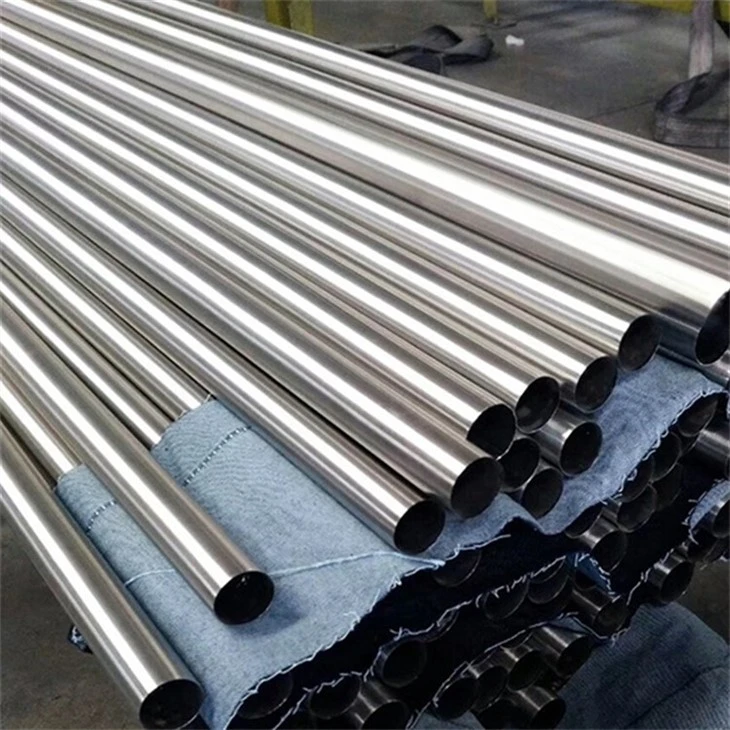
For anyone buying long products, it’s important to understand these cost factors to make informed decisions. If you’re working on a project that requires ordinary steel plates, for example, you might need to adjust your budget if raw steel prices are rising. If your project uses JIS standard unequal angle, you should account for the extra costs of meeting strict quality standards. For specialized products like stainless rectangle pipe, factor in the cost of alloying metals and corrosion resistance testing.
As a long products supplier, I’ve learned that transparency about these cost factors builds trust with buyers. We work to optimize our production processes to keep costs down without sacrificing quality, whether that’s investing in energy-efficient rolling mills to lower energy costs or training our team to reduce downtime. We also work closely with buyers to understand their needs—whether they’re looking for small section steel flat bar for a small manufacturing line or large angle steel for a bridge project—and find ways to deliver the right product at a fair price.
If you’re in the market for long products and want to discuss your project, feel free to reach out to us. We can walk you through our product options, including ordinary steel plates, JIS standard unequal angle, stainless rectangle pipe, small section steel flat bar, and angle, and help you understand the costs involved so you can make the best decision for your project.
References
- World Steel Association. (2023). Steel Cost Drivers and Market Dynamics. Retrieved from worldsteel.org
- American Institute of Steel Construction. (2022). Long Products Production and Cost Analysis. Retrieved from aisc.org
- International Organization for Standardization. (2021). Quality Standards for Steel Products. Retrieved from iso.org
- U.S. Energy Information Administration. (2023). Energy Costs in Industrial Manufacturing. Retrieved from eia.gov
- Japan Iron and Steel Federation. (2022). JIS Standard Steel Products Production Guidelines. Retrieved from jisf.or.jp