

As a Galvalume steel supplier, I often encounter questions from customers about the differences between Galvalume steel and galvanized steel. In this blog post, I'll delve into the key disparities between these two types of steel, helping you make an informed decision when choosing the right material for your projects.
Composition and Manufacturing Process
Galvalume steel and galvanized steel have distinct compositions and manufacturing processes. Galvalume steel is a type of coated steel that consists of an aluminum-zinc alloy coating. Typically, the coating contains about 55% aluminum, 43.4% zinc, and 1.6% silicon. This alloy is applied to the steel substrate through a continuous hot-dipping process, where the steel is passed through a bath of the molten aluminum-zinc alloy. The result is a uniform and tightly bonded coating that provides excellent protection to the underlying steel.
On the other hand, galvanized steel is coated with a layer of zinc. The most common method of galvanizing is hot-dip galvanizing, in which the steel is immersed in a bath of molten zinc. The zinc reacts with the steel to form a series of zinc-iron alloy layers, followed by a pure zinc layer on the surface. This zinc coating acts as a sacrificial anode, protecting the steel from corrosion by corroding itself first.
Corrosion Resistance
One of the most significant differences between Galvalume steel and galvanized steel lies in their corrosion resistance. Galvalume steel offers superior corrosion resistance compared to galvanized steel, especially in outdoor and high-humidity environments. The aluminum in the Galvalume coating forms a protective oxide layer on the surface, which acts as a barrier against moisture and oxygen, preventing the underlying steel from rusting. Additionally, the zinc in the coating provides sacrificial protection, similar to galvanized steel.
Galvanized steel, while also providing good corrosion resistance, is more susceptible to corrosion in certain environments. The zinc coating can gradually wear away over time, especially in areas with high levels of pollution, saltwater exposure, or acidic conditions. Once the zinc coating is compromised, the underlying steel is exposed to the elements and can start to rust.
In coastal areas, for example, Galvalume steel has been shown to have a much longer lifespan than galvanized steel. The high aluminum content in the Galvalume coating makes it more resistant to the corrosive effects of saltwater, ensuring that the steel remains protected for a longer period.
Heat Resistance
Another advantage of Galvalume steel is its excellent heat resistance. The aluminum in the coating helps to reflect heat, reducing the temperature of the steel surface. This makes Galvalume steel an ideal choice for applications where high temperatures are involved, such as roofing, gutters, and industrial equipment.
Galvanized steel, on the other hand, has a lower heat resistance. The zinc coating can start to melt at relatively low temperatures, typically around 420°C (788°F). Once the zinc coating melts, the underlying steel is exposed and can be damaged by the heat.
Aesthetic Appearance
Galvalume steel and galvanized steel also differ in their aesthetic appearance. Galvalume steel has a smooth, silver-gray finish that gives it a modern and sleek look. The finish is also more uniform and consistent compared to galvanized steel, which can have a slightly rough or textured surface due to the zinc-iron alloy layers.
Galvanized steel has a characteristic shiny, metallic appearance when it is new. However, over time, the zinc coating can develop a white, powdery substance called zinc patina, which can change the appearance of the steel. While some people find the patina to be an attractive feature, others may prefer the more consistent and modern look of Galvalume steel.
Cost
Cost is often a consideration when choosing between Galvalume steel and galvanized steel. Galvalume steel is generally more expensive than galvanized steel due to the higher cost of the aluminum-zinc alloy coating and the more complex manufacturing process. However, the superior corrosion resistance and longer lifespan of Galvalume steel can offset the higher initial cost in the long run.
Galvanized steel is a more cost-effective option for applications where corrosion resistance is not a major concern or where the steel will be used in a relatively mild environment. It is also more readily available and can be sourced from a wider range of suppliers.
Applications
The differences in corrosion resistance, heat resistance, and aesthetic appearance make Galvalume steel and galvanized steel suitable for different applications. Galvalume steel is commonly used in roofing, siding, gutters, and other outdoor building applications, as well as in industrial equipment and automotive parts. Its high corrosion resistance and heat resistance make it a reliable choice for these applications, ensuring long-term durability and performance.
Galvanized steel is widely used in a variety of applications, including fencing, agricultural equipment, electrical enclosures, and automotive components. It is also commonly used in indoor applications where corrosion resistance is not a critical factor.
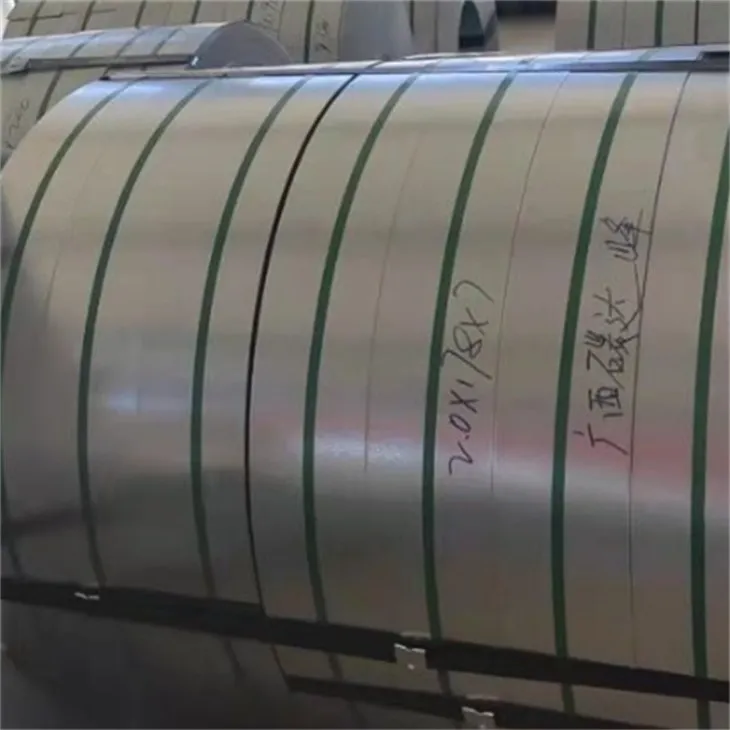
If you're interested in Galvalume steel products, we offer a wide range of options, including GL Coil, Anti-finger Galvalume Steel Coil, and Galvalume Steel Strip. These products are available in different thicknesses, widths, and coatings to meet your specific requirements.
Conclusion
In conclusion, Galvalume steel and galvanized steel have distinct differences in composition, corrosion resistance, heat resistance, aesthetic appearance, cost, and applications. Galvalume steel offers superior corrosion resistance and heat resistance, making it a better choice for outdoor and high-temperature applications. However, it is also more expensive than galvanized steel. Galvanized steel, on the other hand, provides good corrosion resistance at a lower cost and is suitable for a wide range of applications.
When choosing between Galvalume steel and galvanized steel, it's important to consider the specific requirements of your project, including the environment in which the steel will be used, the expected lifespan of the product, and your budget. If you need more information or have any questions about our Galvalume steel products, please feel free to contact us. We're here to help you make the right choice for your project.

References
- ASM International. (2004). ASM Handbook, Volume 13A: Corrosion: Fundamentals, Testing, and Protection.
- Nippon Steel Corporation. (2019). Galvalume Steel Sheet: Product Introduction and Technical Information.
- The Zinc Development Association. (2018). Galvanizing - A Guide to Hot-Dip Galvanizing.