

Hey there! As a supplier of GL Coils, I'm super stoked to dive into the nitty - gritty of how these bad boys work in a refrigeration system. So, let's get right into it.
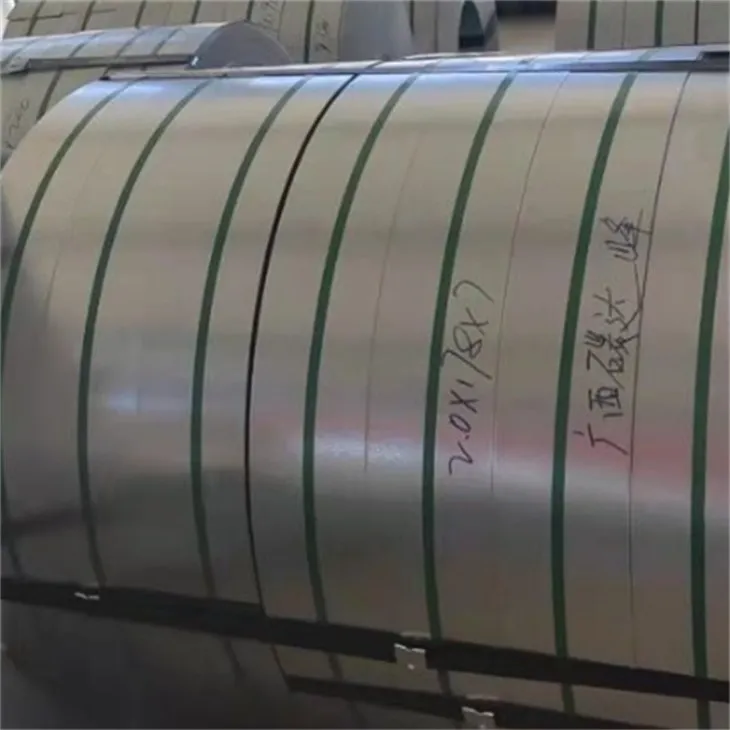
First off, what's a GL Coil? Well, it's made from GL (Galvannealed) material. You might be wondering what that is. Galvannealed steel is basically steel that's been coated with a zinc - iron alloy through a special process. This coating gives the coil some awesome properties like great corrosion resistance and good paint adhesion.
Now, let's talk about the refrigeration system itself. A refrigeration system is all about moving heat from one place to another. It's like a heat - swapping party! The main goal is to cool down a space or a substance, and the GL Coil plays a crucial role in this whole process.
The Basic Refrigeration Cycle
A typical refrigeration cycle has four main components: a compressor, a condenser, an expansion valve, and an evaporator. The GL Coil can be used as either the condenser or the evaporator, depending on the specific design of the system.
Compressor
The cycle starts with the compressor. It's like the heart of the refrigeration system. The compressor takes in low - pressure, low - temperature refrigerant vapor and squeezes it. This compression increases the pressure and temperature of the refrigerant. Think of it as giving the refrigerant a big energy boost.
Condenser (When GL Coil is the Condenser)
If the GL Coil is acting as the condenser, the high - pressure, high - temperature refrigerant vapor from the compressor flows into it. As the refrigerant moves through the GL Coil, it comes into contact with the cooler surrounding air or a cooling fluid. Heat is transferred from the refrigerant to the surrounding medium. The refrigerant then condenses from a vapor to a liquid.
The unique properties of the GL Coil make it a great choice for this job. The Galvalume Steel Strip used in its construction has good thermal conductivity, which means it can transfer heat efficiently. Also, the corrosion - resistant coating ensures that the coil lasts a long time, even when exposed to different environmental conditions.

Expansion Valve
After the refrigerant has condensed in the condenser, it moves to the expansion valve. The expansion valve is like a gatekeeper. It restricts the flow of the high - pressure liquid refrigerant, causing a sudden drop in pressure. This drop in pressure makes the refrigerant expand and cool down rapidly.
Evaporator (When GL Coil is the Evaporator)
If the GL Coil is used as the evaporator, the low - pressure, low - temperature refrigerant liquid from the expansion valve enters it. The refrigerant absorbs heat from the surrounding air or the substance that needs to be cooled. As it absorbs heat, the refrigerant evaporates and turns back into a vapor.
The Aluminized Galvanized Wire used in the GL Coil can enhance its performance in this role. The wire can help with better heat transfer and also provide some structural support to the coil.
Back to the Compressor
Once the refrigerant has evaporated in the evaporator, it goes back to the compressor, and the cycle starts all over again.
Why GL Coils are Awesome in Refrigeration Systems
Durability
One of the biggest advantages of using GL Coils in refrigeration systems is their durability. The GL Sheet used in their construction has a tough zinc - iron alloy coating. This coating protects the steel from rust and corrosion, even in harsh environments. So, you don't have to worry about the coil breaking down quickly, which saves you money in the long run.
Efficiency
GL Coils are also very efficient. Their good thermal conductivity allows for quick and effective heat transfer. Whether it's condensing the refrigerant or evaporating it, the GL Coil can get the job done fast. This means that the refrigeration system can operate more efficiently, using less energy and saving you on your electricity bills.
Flexibility
Another great thing about GL Coils is their flexibility. They can be designed and manufactured in different shapes and sizes to fit various refrigeration system requirements. Whether you need a small coil for a domestic fridge or a large one for an industrial cooling system, we can make it happen.
How We Make Our GL Coils
As a supplier, we take a lot of pride in our manufacturing process. We start with high - quality steel and then use a state - of - the - art galvannealing process to apply the zinc - iron alloy coating. This ensures that the coating is uniform and has excellent adhesion to the steel.
After the coating process, we shape the GL Sheet into the desired coil form. We pay close attention to details like the tube diameter, fin spacing, and coil layout to make sure that the coil performs at its best.
We also conduct rigorous quality control checks at every stage of the manufacturing process. This includes testing the coil for leaks, measuring its thermal performance, and checking the integrity of the coating. Only when the coil meets our strict quality standards do we send it out to our customers.
Let's Talk Business
If you're in the market for high - quality GL Coils for your refrigeration system, we'd love to hear from you. Whether you're a small business owner looking to upgrade your fridge or a large industrial company in need of a custom - made cooling solution, we've got you covered.
Contact us to start a conversation about your specific requirements. We can provide you with detailed product information, quotes, and samples if needed. Let's work together to find the perfect GL Coil solution for your refrigeration needs.
References
- "Refrigeration and Air Conditioning Technology" by William C. Whitman, William M. Johnson, and John Tomczyk.
- "Thermodynamics: An Engineering Approach" by Yunus A. Cengel and Michael A. Boles.