

Can JIS I - Beam be used in high - temperature environments?
As a supplier of JIS I - Beam, I often get asked whether our products can be used in high - temperature environments. This is a crucial question, especially considering the diverse applications where I - beams are employed, from construction to industrial manufacturing. In this blog, I'll delve into the properties of JIS I - Beam and analyze its suitability for high - temperature scenarios.
Understanding JIS I - Beam
JIS (Japanese Industrial Standards) I - Beam is a type of structural steel beam with an I - shaped cross - section. It is widely used in construction and engineering projects due to its excellent load - bearing capacity and structural stability. The JIS standards ensure that these I - beams meet specific quality and dimensional requirements, making them a reliable choice for various applications. You can find more information about I - beams on our website.
Properties of JIS I - Beam at Normal Temperatures
At normal temperatures, JIS I - Beam exhibits remarkable mechanical properties. It has high tensile strength, which allows it to withstand heavy loads without significant deformation. The I - shape design distributes the load evenly along the length of the beam, enhancing its structural integrity. Additionally, JIS I - Beams are known for their good weldability and machinability, making them easy to work with during construction and fabrication processes.
Effects of High Temperatures on Structural Steel
When exposed to high temperatures, the mechanical properties of structural steel, including JIS I - Beam, can change significantly. As the temperature rises, the strength and stiffness of the steel gradually decrease. This is because the atomic structure of the steel begins to change at elevated temperatures, leading to a reduction in its ability to resist external forces.
One of the most critical changes is the loss of yield strength. Yield strength is the maximum stress that a material can withstand without permanent deformation. At high temperatures, the yield strength of JIS I - Beam can drop to a fraction of its room - temperature value. For example, when the temperature reaches around 500°C, the yield strength of many structural steels can decrease by up to 50%.
Another important factor is the thermal expansion of the steel. As the temperature increases, the steel expands. If the expansion is not properly accommodated, it can lead to internal stresses within the structure, which may cause buckling or even failure of the beam.
Can JIS I - Beam Be Used in High - Temperature Environments?
The answer to whether JIS I - Beam can be used in high - temperature environments is not a simple yes or no. It depends on several factors, including the specific temperature range, the duration of exposure, and the design requirements of the structure.
In some cases, JIS I - Beam can be used in moderately high - temperature environments with proper precautions. For example, if the temperature does not exceed 300 - 400°C and the exposure time is relatively short, the beam may still be able to maintain a sufficient level of strength and integrity. However, in such situations, it is essential to consider the reduced yield strength and thermal expansion and design the structure accordingly.
To use JIS I - Beam in high - temperature environments, additional measures can be taken to enhance its performance. One common approach is to apply a fire - resistant coating to the beam. Fire - resistant coatings act as a barrier, slowing down the transfer of heat to the steel and delaying the loss of its mechanical properties. These coatings can significantly increase the fire resistance rating of the JIS I - Beam, allowing it to withstand higher temperatures for a longer period.
Another option is to use a different type of steel with better high - temperature properties. For instance, ASTM A36 Steel I Beam has been specifically designed to have improved performance at elevated temperatures. While it is not strictly a JIS standard, it could be considered as an alternative in high - temperature applications.
Comparing JIS I - Beam with Other Structural Members in High - Temperature Scenarios
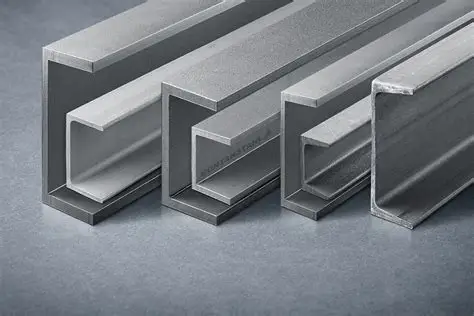
It's also useful to compare JIS I - Beam with other structural members, such as Channel Steels, in high - temperature environments. Channel steels have a different cross - sectional shape compared to I - beams, which may affect their performance under high - temperature conditions.
In general, the I - shape of JIS I - Beam provides better load - bearing capacity and stability compared to channel steels. However, channel steels may have a slightly different thermal expansion behavior due to their shape. When designing a structure for high - temperature use, the choice between JIS I - Beam and channel steels should be based on a comprehensive analysis of the specific requirements of the project.
Case Studies
Let's look at some real - world case studies to understand the practical use of JIS I - Beam in high - temperature environments.

In a large industrial furnace, JIS I - Beams were initially used as part of the support structure. However, during operation, the furnace temperature reached up to 600°C. After a few months, signs of deformation were observed in the beams. The loss of yield strength at such high temperatures led to excessive deflection, and the beams were no longer able to support the load effectively. To solve this problem, the beams were replaced with a different type of high - temperature - resistant steel, and a fire - resistant coating was applied to the new beams to enhance their performance.
On the other hand, in a power plant boiler room, where the temperature generally remained below 300°C, JIS I - Beams were used successfully. The design of the structure took into account the reduced strength and thermal expansion of the steel. Expansion joints were installed to accommodate the thermal expansion, and the beams were sized to withstand the expected loads at the elevated temperature. After several years of operation, the JIS I - Beams showed no significant signs of damage.
Conclusion
In conclusion, JIS I - Beam can potentially be used in high - temperature environments, but it requires careful consideration and appropriate design measures. The effects of high temperatures on the mechanical properties of the steel, such as the loss of yield strength and thermal expansion, must be taken into account. By using fire - resistant coatings, selecting the right type of steel, and designing the structure to accommodate thermal expansion, the performance of JIS I - Beam in high - temperature applications can be improved.
If you are considering using JIS I - Beam in a high - temperature environment for your project, I encourage you to contact us for further discussion. Our team of experts can provide you with detailed information and guidance on the suitability of our products and help you make an informed decision. Whether it's a construction project, an industrial application, or any other use, we are here to assist you in finding the best solution for your needs.
We look forward to the opportunity to work with you and provide you with high - quality JIS I - Beam products and professional services. Feel free to reach out to us to start the procurement and negotiation process.
References
- "Structural Steel Design" by William T. Segui
- "Fire Resistance of Structural Steel" by John W. Gross
- Japanese Industrial Standards (JIS) for Structural Steel