

Can steel pipes be used in bridge construction?
In the realm of bridge construction, the choice of materials is a critical decision that significantly impacts the structure's durability, strength, and overall performance. Steel pipes, as a versatile and robust building material, have gained increasing attention in recent years. As a leading steel pipes supplier, I am well - versed in the properties and applications of steel pipes, and I firmly believe that they can play a pivotal role in bridge construction.
Properties of Steel Pipes
Steel pipes possess several key properties that make them suitable for bridge construction. First and foremost, steel is renowned for its high strength - to - weight ratio. This means that steel pipes can withstand large loads while being relatively lightweight compared to other materials such as concrete. For bridges, this property is crucial as it allows for the construction of longer spans and reduces the dead load on the foundation.
Secondly, steel pipes have excellent ductility. Ductility refers to the ability of a material to deform under stress without fracturing. In the context of bridge construction, this is essential as bridges are subjected to various dynamic loads, including traffic, wind, and seismic forces. The ductility of steel pipes enables them to absorb energy during these events, enhancing the bridge's overall resilience and safety.
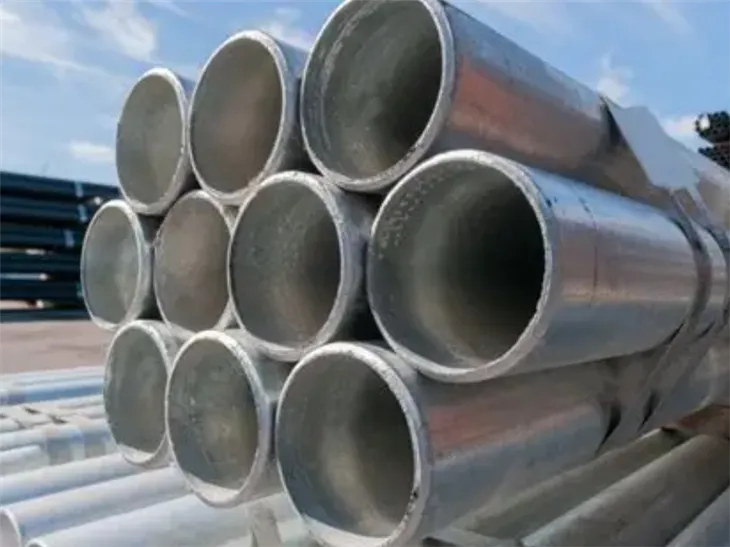
Another important property of steel pipes is their corrosion resistance, especially when they are properly treated. Galvanized Pipe is a prime example. Galvanization involves coating the steel pipe with a layer of zinc, which acts as a sacrificial anode, protecting the underlying steel from corrosion. This is particularly important for bridges located in harsh environments, such as coastal areas where they are exposed to saltwater and high humidity.
Applications of Steel Pipes in Bridge Construction
Structural Components
Steel pipes can be used as primary structural components in bridges. For example, they can serve as columns to support the superstructure. The circular cross - section of steel pipes provides uniform stress distribution, making them highly efficient in carrying axial loads. In some modern bridge designs, steel pipe arches are used to create aesthetically pleasing and structurally sound spans. The arch shape effectively transfers the load to the abutments, and the use of steel pipes allows for a more streamlined and lightweight design compared to traditional arch materials.
Pile Foundations
Pile foundations are commonly used in bridge construction to transfer the load of the bridge to the underlying soil or rock. Steel pipes are an excellent choice for pile foundations due to their high strength and ease of installation. They can be driven into the ground using pile - driving equipment, and their smooth exterior reduces the frictional resistance during installation. Pressure Tube is often used in pile foundations as it can withstand the high pressures exerted during the driving process.
Handrails and Guardrails
Steel pipes are also widely used for handrails and guardrails on bridges. Their durability and aesthetic appeal make them a popular choice. They can be easily fabricated into various shapes and designs to meet the specific requirements of the bridge. Additionally, steel pipes can be painted or coated to match the overall color scheme of the bridge, enhancing its visual appearance.
Drainage Systems
Bridges require effective drainage systems to prevent water accumulation, which can cause damage to the structure over time. Steel pipes can be used as drainage pipes due to their smooth interior surface, which allows for efficient water flow. Semicircular Tube is particularly suitable for some drainage applications as it can be easily installed along the edges of the bridge deck.
Advantages of Using Steel Pipes in Bridge Construction
Cost - Effectiveness
Although the initial cost of steel pipes may be relatively high compared to some other materials, their long - term cost - effectiveness is undeniable. Their high strength and durability mean that they require less maintenance over the lifespan of the bridge. Additionally, the lightweight nature of steel pipes reduces the cost of transportation and installation, as less heavy - duty equipment is needed.
Design Flexibility
Steel pipes offer great design flexibility. They can be easily cut, welded, and bent into various shapes and sizes to meet the specific design requirements of the bridge. This allows architects and engineers to create innovative and unique bridge designs that not only function well but also enhance the aesthetic value of the surrounding environment.
Sustainability
Steel is a highly sustainable material. It is 100% recyclable, and the recycling process consumes less energy compared to the production of new steel. Using steel pipes in bridge construction contributes to a more sustainable building industry by reducing the demand for virgin materials and minimizing waste.
Challenges and Considerations
While steel pipes have many advantages in bridge construction, there are also some challenges and considerations that need to be addressed. One of the main challenges is corrosion. Although galvanized and other corrosion - resistant coatings can provide protection, over time, these coatings may wear off, especially in highly corrosive environments. Regular inspection and maintenance are required to ensure the long - term integrity of the steel pipes.
Another consideration is the fire resistance of steel pipes. Steel loses its strength at high temperatures, which can be a concern in the event of a fire. Special fire - resistant coatings or insulation can be applied to steel pipes to improve their fire performance.
Conclusion
In conclusion, steel pipes can indeed be used in bridge construction, and they offer numerous benefits in terms of strength, durability, cost - effectiveness, design flexibility, and sustainability. As a steel pipes supplier, I am committed to providing high - quality steel pipes that meet the strict requirements of bridge construction projects. Whether it is for structural components, pile foundations, handrails, or drainage systems, our steel pipes are engineered to perform.
If you are involved in a bridge construction project and are considering using steel pipes, I encourage you to contact us for further information and to discuss your specific needs. Our team of experts is ready to assist you in selecting the right type of steel pipes and providing technical support throughout the project.

References
- "Bridge Engineering Handbook" by Wei - Li Duan and H. S. Lew
- "Steel Construction Manual" by the American Institute of Steel Construction
- Research papers on the application of steel pipes in bridge construction from academic journals such as the Journal of Structural Engineering.