

Hey there! As a supplier of Galvanized I - beams, I've seen a lot of questions about how to clean these bad boys. Galvanized I - beams are super useful, used in all sorts of construction projects. They're coated with a layer of zinc to prevent rusting, but over time, they can get dirty and might need a good clean. So, let's dive into how you can clean your galvanized I - beams effectively.
Why Clean Galvanized I - Beams?
First off, you might be wondering why you even need to clean galvanized I - beams. Well, dirt, grime, and other contaminants can build up on the surface. This not only makes them look bad but can also potentially affect the integrity of the zinc coating over time. A clean I - beam is not only aesthetically pleasing but also more likely to have a longer lifespan.
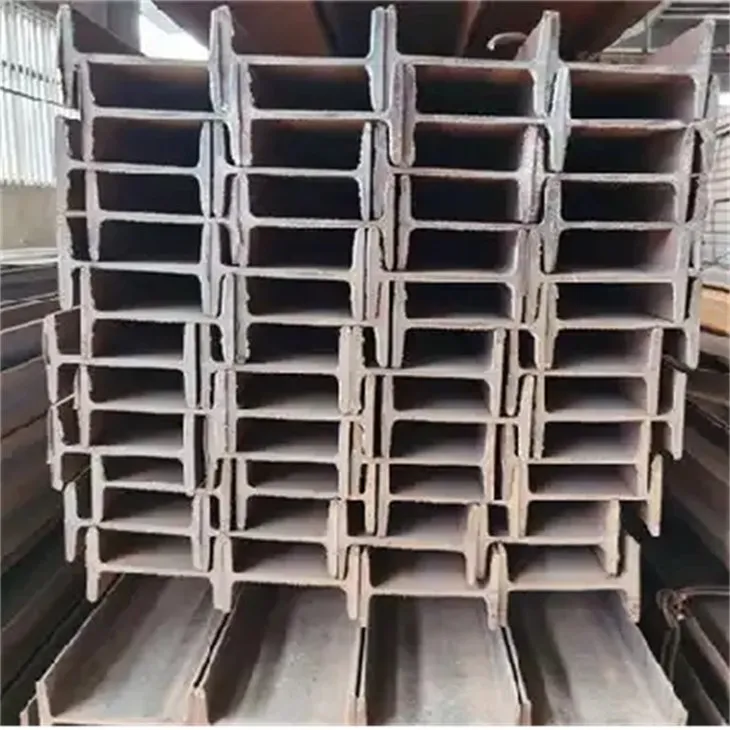

Tools and Materials You'll Need
Before you start cleaning, gather the right tools and materials. Here's what you'll typically need:
- Soft Bristle Brush: This is great for gently scrubbing away loose dirt and debris without scratching the galvanized surface.
- Mild Detergent: A non - abrasive, mild detergent will help break down grease and grime. Avoid using harsh chemicals as they can damage the zinc coating.
- Bucket of Water: You'll need this to mix the detergent and to rinse off the I - beam.
- Sponge or Rag: These are useful for applying the cleaning solution and wiping down the surface.
- Protective Gloves: To protect your hands from the cleaning solution and any sharp edges on the I - beam.
Step - by - Step Cleaning Process
Step 1: Preparation
Put on your protective gloves and lay out all your tools and materials. If the I - beam is installed in a structure, make sure the area around it is clear and safe. You don't want any tripping hazards or objects that could get in the way of your cleaning.
Step 2: Remove Loose Debris
Use the soft - bristle brush to gently sweep away any loose dirt, leaves, or other debris from the surface of the I - beam. Start from the top and work your way down. This will make the next cleaning steps more effective.
Step 3: Mix the Cleaning Solution
Fill the bucket with water and add a small amount of the mild detergent. Stir it well until it forms a soapy solution. You don't need a lot of detergent; just enough to create a gentle cleaning mixture.
Step 4: Apply the Cleaning Solution
Dip the sponge or rag into the soapy water and wring it out slightly. Then, start applying the solution to the I - beam. Work in small sections, starting from one end and moving along the length of the beam. Make sure to cover all surfaces, including the flanges and the web of the I - beam.
Step 5: Scrub the Surface
Once the cleaning solution is applied, use the soft - bristle brush to gently scrub the surface. Pay extra attention to areas with stubborn dirt or stains. But be careful not to scrub too hard, as you don't want to damage the zinc coating.
Step 6: Rinse the I - Beam
After scrubbing, use a clean bucket of water or a hose to rinse off the I - beam. Make sure to remove all the soapy residue. Rinse thoroughly from top to bottom to ensure that no detergent is left behind.
Step 7: Dry the I - Beam
Use a clean, dry rag or let the I - beam air dry. If it's outdoors, natural air drying is usually sufficient. Just make sure there's good ventilation to speed up the drying process.
Special Considerations for Different Environments
Galvanized I - beams can be used in various environments, and the cleaning process might need to be adjusted accordingly.
Industrial Environments
In industrial settings, I - beams can be exposed to heavy grease, oil, and chemicals. In this case, you might need a stronger degreaser. However, always test it on a small, inconspicuous area first to make sure it doesn't damage the zinc coating. You may also need to clean more frequently due to the higher level of contaminants.
Coastal Environments
Near the coast, I - beams are exposed to saltwater and high humidity. Salt can corrode the zinc coating over time. To clean I - beams in coastal areas, you may need to rinse them more frequently with fresh water to remove the salt. You can also use a mild detergent as described above, but make sure to rinse thoroughly to prevent any salt residue from remaining on the surface.
Different Types of Galvanized I - Beams
We offer a variety of galvanized I - beams, such as JIS I - Beam, ASTM A36 Steel I Beam, and Bridge I - beam. Each type has its own unique characteristics, but the basic cleaning process remains the same. However, depending on the specific application and the environment in which they are used, you might need to adjust the cleaning frequency and methods slightly.
Maintaining the Galvanized Coating
After cleaning, it's important to maintain the galvanized coating to ensure its long - term protection. Here are some tips:
- Regular Inspections: Check the I - beams periodically for signs of damage or corrosion. Look for any areas where the zinc coating might be worn off or where rust is starting to form.
- Avoid Contact with Harsh Chemicals: Keep the I - beams away from chemicals that can react with the zinc coating. This includes acidic substances, some industrial solvents, and certain cleaning agents.
- Touch - up the Coating: If you notice any small areas where the zinc coating is damaged, you can use a zinc - rich paint or a galvanizing touch - up kit to repair it.
Conclusion
Cleaning galvanized I - beams is not a difficult task if you follow the right steps and use the appropriate tools and materials. By keeping your I - beams clean, you can ensure their longevity and maintain their structural integrity.
If you're in the market for high - quality galvanized I - beams, we're here to help. We've got a wide range of options to suit your needs, whether it's for a small DIY project or a large - scale construction job. Reach out to us to discuss your requirements and get a quote. We're always happy to assist you in finding the perfect I - beams for your project.
References
- "Galvanizing Handbook" by the American Galvanizers Association
- "Structural Steel Design" textbooks for general knowledge on I - beams
- Industry - specific guidelines on galvanized steel maintenance