

Accurately measuring the dimensions of angle steel is crucial for ensuring its quality and suitability for various applications. As a reputable angle steel supplier, we understand the significance of precise measurements in the construction, manufacturing, and transportation industries. In this blog post, we will discuss the essential steps and tools required to measure the dimensions of angle steel accurately.

Understanding Angle Steel Dimensions
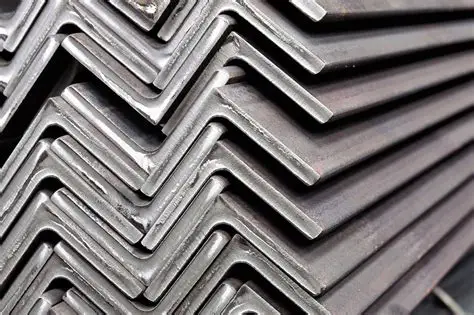
Before delving into the measurement process, it's important to understand the key dimensions of angle steel. Angle steel, also known as angle iron, is a L-shaped structural steel product with two legs that meet at a right angle. The dimensions of angle steel typically include the leg length, thickness, and overall width. These measurements are critical for determining the strength, load-bearing capacity, and compatibility of angle steel with specific projects.
Tools Required for Measuring Angle Steel
To measure the dimensions of angle steel accurately, you will need a few essential tools:
- Steel Tape Measure: A high-quality steel tape measure is essential for measuring the leg length and overall width of angle steel. Make sure the tape measure is long enough to accommodate the length of the angle steel and has clear markings for precise readings.
- Vernier Caliper: A vernier caliper is a precision measuring tool that can be used to measure the thickness of the angle steel legs. It consists of a main scale and a sliding vernier scale, which allows for accurate measurements up to 0.02 mm.
- Micrometer: For even more precise measurements, a micrometer can be used. A micrometer is a tool that measures small distances with high accuracy, typically up to 0.001 mm. It is particularly useful for measuring the thickness of thin-walled angle steel.
- Square: A square is a tool used to check the squareness of the angle steel. It ensures that the two legs meet at a perfect right angle, which is essential for many applications.
- Level: A level is used to check the flatness and alignment of the angle steel. It helps to ensure that the angle steel is straight and properly installed.
Step-by-Step Guide to Measuring Angle Steel
Now that you have the necessary tools, let's walk through the step-by-step process of measuring the dimensions of angle steel accurately:
Step 1: Prepare the Angle Steel
Before taking any measurements, make sure the angle steel is clean and free of any dirt, debris, or rust. This will ensure accurate readings and prevent damage to the measuring tools.
Step 2: Measure the Leg Length
Using a steel tape measure, measure the length of each leg of the angle steel from the inside corner to the outer edge. Make sure to measure both legs to ensure they are of equal length. Record the measurements in millimeters or inches, depending on your preference.
Step 3: Measure the Thickness
To measure the thickness of the angle steel legs, use a vernier caliper or micrometer. Place the jaws of the measuring tool on the surface of the leg and gently close them until they make contact. Read the measurement on the scale and record it. Repeat this process for both legs of the angle steel.
Step 4: Measure the Overall Width
The overall width of the angle steel is the distance between the outer edges of the two legs. Use a steel tape measure to measure this dimension and record it.
Step 5: Check the Squareness
To check the squareness of the angle steel, use a square. Place the square against the inside corner of the angle steel and make sure the two legs are perfectly perpendicular. If the angle is not 90 degrees, the angle steel may not be suitable for some applications.
Step 6: Check the Flatness and Alignment
Use a level to check the flatness and alignment of the angle steel. Place the level on the surface of the angle steel and make sure it is level in both directions. If the angle steel is not level, it may need to be adjusted or replaced.
Common Measurement Errors and How to Avoid Them
When measuring the dimensions of angle steel, it's important to be aware of common measurement errors and how to avoid them. Here are some tips to help you ensure accurate measurements:
- Use the Right Tools: Make sure you are using the appropriate measuring tools for the job. Using the wrong tool can lead to inaccurate readings and measurement errors.
- Take Multiple Measurements: To ensure accuracy, take multiple measurements of each dimension and average the results. This will help to minimize the impact of any measurement errors.
- Measure at the Right Location: When measuring the leg length and overall width, make sure to measure at the correct location. Measuring at the wrong location can lead to inaccurate readings.
- Check for Wear and Tear: Regularly check your measuring tools for wear and tear. Worn or damaged tools can lead to inaccurate measurements.
- Follow the Manufacturer's Instructions: When using measuring tools, make sure to follow the manufacturer's instructions carefully. This will ensure that you are using the tools correctly and getting accurate readings.
Applications of Accurate Angle Steel Measurements
Accurate measurements of angle steel are essential for a wide range of applications, including:
- Construction: In the construction industry, angle steel is used for structural support, framing, and bracing. Accurate measurements are crucial for ensuring the strength and stability of the structures.
- Manufacturing: Angle steel is used in the manufacturing of various products, such as machinery, equipment, and vehicles. Precise measurements are necessary for ensuring the proper fit and functionality of these products.
- Transportation: Angle steel is used in the transportation industry for the construction of bridges, railways, and vehicles. Accurate measurements are essential for ensuring the safety and reliability of these transportation systems.
Our Angle Steel Products
As a leading [Company Name] angle steel supplier, we offer a wide range of high-quality angle steel products to meet the diverse needs of our customers. Our angle steel products are available in various sizes, thicknesses, and grades to suit different applications. Whether you need Plant Angle Steel for industrial plants, Transport Mechanical Angle Steel for transportation equipment, or Agricultural Machinery And Vehicles Manufacture Angle Steel for agricultural machinery, we have the right solution for you.
Contact Us for Angle Steel Purchase
If you are interested in purchasing angle steel for your project, please feel free to contact us. Our experienced sales team will be happy to assist you with your selection and provide you with a competitive quote. We are committed to providing our customers with high-quality products, excellent customer service, and timely delivery.
References
- ASME B36.10M - Welded and Seamless Wrought Steel Pipe
- ASTM A36/A36M - Standard Specification for Carbon Structural Steel
- ISO 657 - Cold-formed steel angle sections - Tolerances, dimensions and sectional properties