

Hey there! I'm a supplier of JIS I - Beam, and I know that fatigue failure can be a real headache for anyone using these beams. In this blog, I'll share some practical tips on how to prevent the fatigue failure of JIS I - Beam.
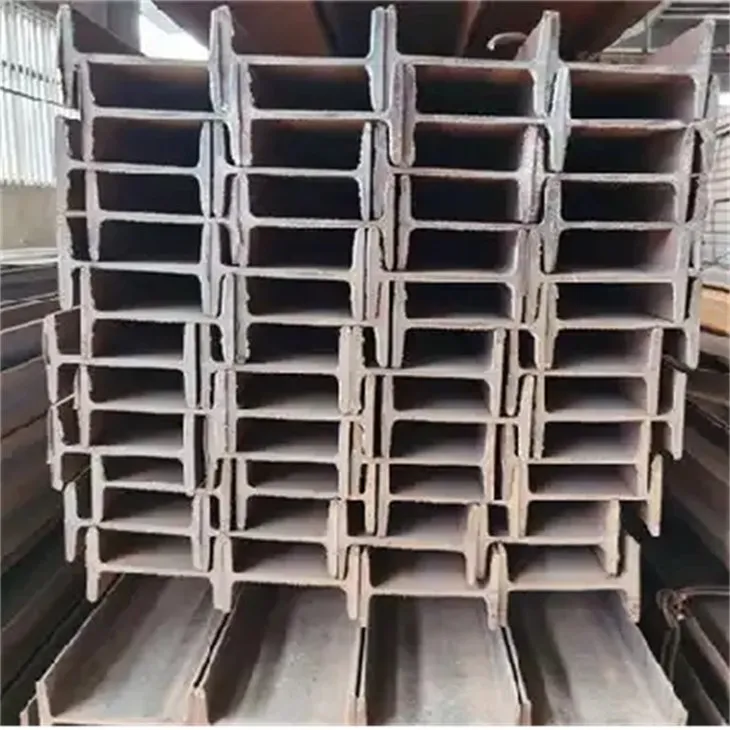
First off, let's understand what JIS I - Beam is. JIS I - Beam refers to the I - shaped steel beams that comply with the Japanese Industrial Standards (JIS). You can find more detailed information about JIS I - Beam. These beams are widely used in construction, machinery, and other industries due to their excellent load - bearing capacity. But just like any other structural component, they are prone to fatigue failure over time.
Understanding Fatigue Failure
Fatigue failure occurs when a material fails under repeated loading and unloading cycles. Even if the applied stress is below the ultimate strength of the material, continuous cyclic loading can cause microscopic cracks to form and grow, eventually leading to the complete failure of the beam. This can be extremely dangerous, especially in applications where the safety of people and property is at stake.
1. Proper Material Selection
One of the most important steps in preventing fatigue failure is choosing the right material for your JIS I - Beam. Different materials have different fatigue resistance properties. For example, ASTM A36 Steel I Beam is a popular choice in many construction projects. It has good strength and ductility, which can help it withstand cyclic loading better than some other materials.
Carbon Steel I Beam is also a great option. Carbon steel generally has high fatigue strength, especially when it is properly heat - treated. Make sure to work with a reliable supplier who can provide you with high - quality materials that meet the required standards.
2. Accurate Design and Calculation
The design of the JIS I - Beam plays a crucial role in preventing fatigue failure. During the design phase, it's essential to accurately calculate the expected loads and stress levels. This includes considering both static and dynamic loads. For example, in a bridge construction project, the weight of the vehicles passing over the bridge is a dynamic load, while the weight of the bridge itself is a static load.
Use advanced engineering software to simulate the behavior of the beam under different loading conditions. This can help you identify potential stress concentration points and make necessary design adjustments. For instance, if there are sharp corners or sudden changes in the cross - section of the beam, it can cause stress concentration, which increases the risk of fatigue failure. You can round off the corners or use smooth transitions to reduce stress concentration.
3. High - Quality Manufacturing Process
The manufacturing process of JIS I - Beam also affects its fatigue resistance. A high - quality manufacturing process ensures that the beam has uniform material properties and a smooth surface finish. Any defects in the manufacturing process, such as internal voids, inclusions, or surface cracks, can act as initiation points for fatigue cracks.
Choose a manufacturer with a good reputation and strict quality control measures. They should use advanced production techniques, such as hot - rolling, which can improve the grain structure of the steel and enhance its mechanical properties. After manufacturing, the beams should be carefully inspected to ensure they meet the required quality standards.

4. Regular Inspection and Maintenance
Once the JIS I - Beam is installed, regular inspection and maintenance are essential to prevent fatigue failure. Inspect the beams periodically for signs of wear, corrosion, or damage. Look for any visible cracks, deformation, or changes in the surface condition of the beam.
Use non - destructive testing methods, such as ultrasonic testing or magnetic particle testing, to detect internal defects that may not be visible to the naked eye. If any defects are found, take immediate action to repair or replace the beam.
Maintenance also includes protecting the beam from environmental factors that can accelerate fatigue failure. For example, in a coastal area, the salt - laden air can cause corrosion, which weakens the beam and increases the risk of fatigue. You can apply protective coatings, such as paint or galvanization, to prevent corrosion.
5. Correct Installation
Proper installation of the JIS I - Beam is critical. Make sure the beams are installed according to the design specifications. Incorrect installation, such as improper alignment or inadequate support, can cause additional stress on the beam, increasing the risk of fatigue failure.
During installation, use the right tools and techniques. Ensure that the connections between the beams are strong and secure. For example, if you are using bolts to connect the beams, make sure they are tightened to the correct torque. Loose bolts can cause relative movement between the beams, which leads to stress concentration and fatigue.
6. Load Management
Managing the load on the JIS I - Beam is another important aspect of preventing fatigue failure. Avoid overloading the beam beyond its design capacity. In some cases, unexpected overloads can occur, such as during a natural disaster or an accidental impact. You can install load - limiting devices, such as overload protectors, to prevent excessive loads from being applied to the beam.
Also, try to reduce the frequency and amplitude of cyclic loading as much as possible. For example, in a machine that uses JIS I - Beam as a structural component, you can optimize the operating parameters to reduce the number of loading and unloading cycles.
Conclusion
Preventing the fatigue failure of JIS I - Beam requires a comprehensive approach that includes proper material selection, accurate design, high - quality manufacturing, regular inspection and maintenance, correct installation, and load management. By following these tips, you can significantly reduce the risk of fatigue failure and ensure the long - term safety and reliability of your JIS I - Beam applications.
If you're interested in purchasing high - quality JIS I - Beam or have any questions about preventing fatigue failure, feel free to contact me for more information. I'm here to help you make the right decisions for your projects.
References
- "Mechanical Behavior of Materials" by Donald R. Askeland and Pradeep P. Phule.
- "Structural Steel Design" by William T. Segui.
- Japanese Industrial Standards (JIS) related to I - Beam.