

Selecting the appropriate material for a GB I Beam is a crucial decision that can significantly impact the performance, durability, and cost - effectiveness of your construction project. As a GB I Beam supplier, I have extensive experience in this field and would like to share some valuable insights to help you make an informed choice.
Understanding the Basics of GB I Beams
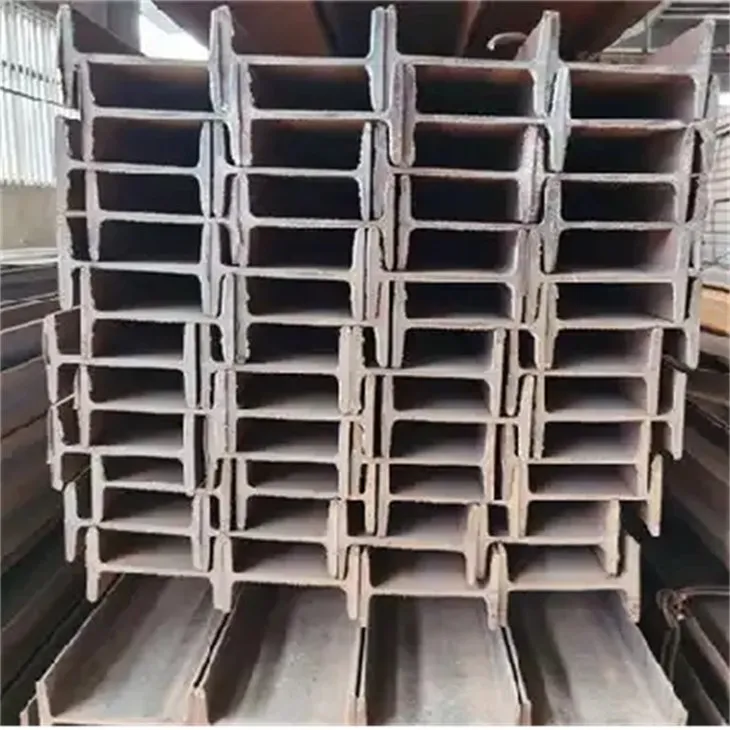
GB I Beams, which adhere to the relevant Chinese national standards (GB), are widely used in various construction and engineering applications. They are characterized by their I - shaped cross - section, which provides excellent structural strength and load - bearing capacity. The main components of an I Beam are the flanges (the horizontal top and bottom parts) and the web (the vertical middle part). This unique design distributes the load efficiently, making it suitable for supporting heavy structures such as bridges, buildings, and industrial facilities.
Factors to Consider When Selecting Materials
1. Structural Requirements
The first and most important factor is the structural requirements of your project. You need to determine the maximum load that the I Beam will need to support, including dead loads (the weight of the structure itself) and live loads (such as people, equipment, and wind forces). For example, in a high - rise building, the I Beams used in the lower floors will need to withstand much higher loads compared to those on the upper floors. If the load requirements are high, you may need to choose a material with high strength, such as ASTM A36 Steel I Beam. ASTM A36 steel is a commonly used structural steel with good strength and ductility, making it suitable for a wide range of applications.
2. Corrosion Resistance
Another crucial factor is the environment in which the I Beam will be installed. If the beam is exposed to moisture, chemicals, or other corrosive substances, corrosion resistance becomes a top priority. For outdoor applications or in areas with high humidity, you might consider using stainless steel or galvanized steel. Stainless steel has excellent corrosion resistance due to the presence of chromium, which forms a protective oxide layer on the surface. Galvanized steel, on the other hand, is coated with a layer of zinc, which also provides good protection against rust. However, if the I Beam is used in a relatively dry and clean environment, regular carbon steel may be sufficient.
3. Fabrication and Welding Requirements
The ease of fabrication and welding is also an important consideration. Some materials are more difficult to cut, shape, and weld than others. For example, cold - worked steels may have different properties compared to hot - rolled steels, which can affect the welding process. Cold - rolled I - beam has a smoother surface and more precise dimensions, but it may require special welding techniques. If your project involves a lot of on - site fabrication and welding, you should choose a material that is easy to work with and has good weldability.
4. Cost
Cost is always a significant factor in any construction project. Different materials have different price points, and you need to balance the cost with the performance requirements. For instance, stainless steel is more expensive than carbon steel, but it offers better corrosion resistance. You should calculate the total cost of the project, including the cost of the material, fabrication, installation, and maintenance over the lifespan of the structure. Sometimes, investing in a more expensive but high - performance material can save you money in the long run by reducing maintenance and replacement costs.
Common Materials for GB I Beams
1. Carbon Steel
Carbon steel is the most commonly used material for GB I Beams. It is relatively inexpensive, easy to fabricate, and has good strength. There are different grades of carbon steel, each with its own mechanical properties. For example, Q235 is a low - carbon steel with a yield strength of 235 MPa, which is suitable for general construction applications. Higher - grade carbon steels, such as Q345, have higher yield strengths and are used in more demanding projects.
2. Alloy Steel
Alloy steel is carbon steel that has been alloyed with other elements such as manganese, silicon, nickel, or chromium to improve its mechanical properties. Alloy steels can have higher strength, better toughness, and improved corrosion resistance compared to carbon steel. They are often used in applications where high performance is required, such as in bridges and high - rise buildings.

3. Stainless Steel
As mentioned earlier, stainless steel is known for its excellent corrosion resistance. It is commonly used in applications where the I Beam is exposed to harsh environments, such as in coastal areas or chemical plants. Stainless steel I Beams are more expensive than carbon steel or alloy steel, but they offer long - term durability and require less maintenance.
4. Light - Gauge Steel
Light - gauge steel is a thin - walled steel product that is often used in non - load - bearing or lightly loaded applications. It is lightweight, easy to install, and can be pre - fabricated off - site. Light - gauge steel I Beams are commonly used in residential construction, such as in partitions and roof trusses.
Comparing Different Standards and Types
In addition to GB standards, there are also other international standards for I Beams, such as the European IPE standard. IPE beams are widely used in Europe and have different dimensions and properties compared to GB I Beams. When choosing a material, you also need to consider which standard is more suitable for your project. If your project has international cooperation or if you need to follow certain international design codes, you may need to choose I Beams that comply with the relevant international standards.
Conclusion
Selecting the appropriate material for a GB I Beam requires a comprehensive consideration of various factors, including structural requirements, corrosion resistance, fabrication and welding requirements, and cost. As a GB I Beam supplier, I can provide you with a wide range of materials and products to meet your specific needs. Whether you need a high - strength carbon steel beam for a large - scale construction project or a corrosion - resistant stainless steel beam for a coastal building, I have the expertise and resources to assist you.
If you are interested in purchasing GB I Beams or have any questions about material selection, please feel free to contact me. I am more than happy to have in - depth discussions with you and provide professional advice to ensure the success of your project.
References
- "Structural Steel Design" by McCormac and Brown
- "Steel Construction Manual" by the American Institute of Steel Construction
- "Corrosion Resistance of Metals and Alloys" by Lipson and Sheasby