

Hey there! As a supplier of JIS I - Beam, I often get asked about the proper storage conditions for these beams. In this blog, I'm gonna break down all the important factors you need to know to store JIS I - Beams correctly.
Location Selection
First off, let's talk about where to store these beams. The storage location should be a well - drained area. You don't want water to pool around the beams because that can lead to rusting. A flat and stable surface is also crucial. If the ground is uneven, the beams might shift over time, which could cause damage or even make them unsafe.
For outdoor storage, it's a good idea to choose a spot that's sheltered from direct sunlight as much as possible. Prolonged exposure to sunlight can cause temperature variations on the surface of the beams. These temperature changes can lead to expansion and contraction, which might affect the structural integrity of the I - Beams in the long run.
If you're storing them indoors, make sure the storage facility is clean and dry. Dust and debris can accumulate on the beams and potentially cause scratches or other forms of surface damage. Also, proper ventilation is necessary to prevent the build - up of moisture. You don't want a stuffy environment where condensation can form on the beams.
Stacking and Support
When it comes to stacking JIS I - Beams, there are some important rules to follow. You should stack them in a way that ensures stability. The beams should be stacked in a straight and level manner. Using spacers between each layer of beams is a great idea. These spacers help to distribute the weight evenly and prevent the beams from rubbing against each other, which can cause scratches.
The height of the stack is also something to consider. You don't want to stack the beams too high, as this can increase the risk of the stack toppling over. A good rule of thumb is to keep the stack height within a reasonable limit based on the size and weight of the beams.
In addition, proper support is essential. You should use suitable supports at regular intervals along the length of the beams. These supports help to prevent the beams from sagging, especially if they're long. If the beams sag, it can affect their shape and strength, making them less suitable for their intended applications.
Protection from Corrosion
Corrosion is one of the biggest enemies of JIS I - Beams. To protect them from corrosion, you can apply a protective coating. There are various types of coatings available, such as paint, galvanizing, or powder coating. These coatings act as a barrier between the metal surface of the beams and the surrounding environment, preventing moisture and oxygen from coming into contact with the metal and causing rust.
Regular inspection is also important. You should check the beams periodically for any signs of corrosion, such as rust spots or discoloration. If you notice any corrosion, you should take immediate action to treat it. This might involve removing the rust and reapplying the protective coating.
Handling During Storage
During storage, proper handling is crucial. When moving the beams around, make sure you use the right equipment. For example, using a crane or a forklift with the appropriate attachments can help to lift and move the beams safely without causing damage.
You should also avoid dropping or banging the beams. Even a small impact can cause dents or cracks in the beams, which can compromise their strength. When loading and unloading the beams, take your time and be careful to ensure that they're placed in the correct position.
Comparison with Other Steel Products
It's interesting to compare the storage conditions of JIS I - Beams with other steel products like Large Section Steel Medium Channel Steel and Channel Steels. While many of the basic principles like protection from corrosion and proper stacking apply to all these products, there are some differences.
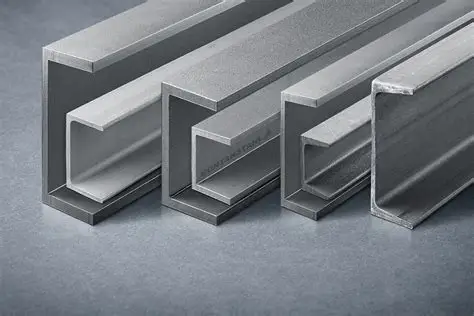

For instance, the shape of JIS I - Beams makes them more stable when stacked compared to some channel steels. However, the flanges of the I - Beams can be more vulnerable to damage during handling. On the other hand, large section steel medium channel steel might require more space due to its larger size, but the same rules about drainage and protection from the elements still apply.
Impact on Quality and Performance
Proper storage conditions have a significant impact on the quality and performance of JIS I - Beams. If the beams are stored incorrectly, they might develop defects such as rust, warping, or cracks. These defects can reduce the strength and durability of the beams, making them less reliable for construction and other applications.
When you use well - stored JIS I - Beams, you can be more confident in their performance. They'll be able to withstand the loads and stresses they're designed for, ensuring the safety and stability of the structures they're used in.
Industry Standards and Regulations
There are industry standards and regulations regarding the storage of JIS I - Beams. These standards are in place to ensure the safety of the products and the people handling them. It's important to comply with these standards to avoid any legal issues and to ensure that the beams maintain their quality.
Some standards might specify the maximum stack height, the type of protective coatings to use, or the frequency of inspections. By following these standards, you can be sure that you're storing the beams in the best possible way.
Conclusion
In conclusion, storing JIS I - Beams properly is essential for maintaining their quality and performance. By choosing the right storage location, stacking them correctly, protecting them from corrosion, and handling them with care, you can ensure that the beams are in good condition when they're ready to be used.
If you're in the market for high - quality JIS I - Beams or need more information about their storage or other aspects, feel free to reach out. We're always here to help you with your I Beam Steel needs. Whether you're a contractor, builder, or anyone else in the construction industry, we can provide you with the best products and advice.
References
- Steel Construction Manual
- Japanese Industrial Standards (JIS) related to steel products