

In the field of electrical engineering, understanding the concept of hysteresis loss is crucial, especially when dealing with components like GL Coils. As a prominent GL Coil supplier, I am often asked about the intricate details of hysteresis loss in these coils. In this blog post, I will delve into what hysteresis loss is in a GL Coil, its implications, and how it relates to the broader context of electrical systems.
What is Hysteresis Loss?
Hysteresis is a phenomenon that occurs in magnetic materials. When a magnetic field is applied to a ferromagnetic material, the magnetization of the material does not change linearly with the applied magnetic field. Instead, there is a lag in the magnetization process. This lag is known as hysteresis.
To understand this better, let's consider a simple example. Imagine a piece of iron placed in a coil through which an alternating current is passed. As the current changes direction, the magnetic field around the iron also changes. The magnetization of the iron follows a loop-like path, known as a hysteresis loop, as the magnetic field is cycled.
The area enclosed by the hysteresis loop represents the energy lost per cycle in the form of heat. This energy loss is what we refer to as hysteresis loss. In the context of a GL Coil, which typically contains magnetic materials, this loss can have significant implications for the efficiency and performance of the coil.
Hysteresis Loss in a GL Coil
A GL Coil is designed to perform specific functions in electrical circuits, such as inductance, impedance matching, or filtering. The magnetic materials used in these coils are carefully selected to achieve the desired magnetic properties. However, regardless of the material used, hysteresis loss is an inherent characteristic that cannot be completely eliminated.
The amount of hysteresis loss in a GL Coil depends on several factors, including the type of magnetic material, the frequency of the applied current, and the maximum magnetic flux density. Different magnetic materials have different hysteresis loop shapes and sizes, which directly affect the amount of energy lost as heat. For example, materials with narrow hysteresis loops generally exhibit lower hysteresis losses compared to those with wider loops.
The frequency of the applied current also plays a crucial role. As the frequency increases, the number of magnetization cycles per unit time increases, resulting in more energy being lost as hysteresis heat. This is particularly important in applications where high-frequency currents are used, such as in radio frequency (RF) circuits or switching power supplies.
The maximum magnetic flux density, which is related to the strength of the applied magnetic field, also influences hysteresis loss. Higher magnetic flux densities typically result in larger hysteresis loops and, therefore, higher energy losses.
Implications of Hysteresis Loss in a GL Coil
The presence of hysteresis loss in a GL Coil can have several implications for its performance and the overall electrical system in which it is used.
Efficiency Loss
One of the most significant implications is the loss of energy in the form of heat. This reduces the overall efficiency of the coil and the electrical system. In applications where energy efficiency is critical, such as in renewable energy systems or electric vehicles, minimizing hysteresis loss is essential to maximize the performance and reduce operating costs.
Temperature Rise
The heat generated by hysteresis loss can cause the temperature of the coil to rise. Excessive temperature rise can lead to several problems, including thermal aging of the coil's insulation materials, which can reduce its lifespan and reliability. In addition, high temperatures can also affect the magnetic properties of the coil's core material, further degrading its performance.
Noise and Interference
In some cases, hysteresis loss can also contribute to electrical noise and interference in the system. The fluctuating magnetic fields generated by the hysteresis process can couple with other components in the circuit, causing unwanted signals and interference. This can be particularly problematic in sensitive electronic systems, such as audio amplifiers or communication devices.
Minimizing Hysteresis Loss in a GL Coil
As a GL Coil supplier, we understand the importance of minimizing hysteresis loss to ensure the optimal performance of our products. There are several strategies that can be employed to achieve this goal.
Material Selection
Choosing the right magnetic material is crucial in reducing hysteresis loss. Materials with low coercivity and narrow hysteresis loops, such as certain types of ferrite or amorphous metals, are often preferred for applications where low hysteresis loss is required. These materials can significantly reduce the energy lost as heat during the magnetization process.
Core Design
The design of the coil's core can also have a significant impact on hysteresis loss. For example, using a laminated core instead of a solid core can reduce eddy current losses, which are often associated with hysteresis loss. Laminated cores are made up of thin layers of magnetic material separated by insulating layers, which help to minimize the flow of eddy currents and reduce heat generation.

Frequency Optimization
In applications where high-frequency currents are used, optimizing the operating frequency can help to reduce hysteresis loss. By selecting a frequency that is within the optimal range for the coil's core material, the number of magnetization cycles per unit time can be minimized, resulting in lower energy losses.
Related Products and Their Role
In the context of our business as a GL Coil supplier, we also offer a range of related products that are used in conjunction with GL Coils. These products, such as Galvalume Corrugated Steel Sheet, Aluminum-galvanized Sheet, and Galvalume Steel Strip, play important roles in various electrical and industrial applications.
Galvalume Corrugated Steel Sheet is a versatile material that is often used for roofing and siding applications. Its unique corrugated design provides excellent strength and durability, while the galvalume coating offers superior corrosion resistance. In electrical applications, it can be used as a shielding material to protect sensitive components from electromagnetic interference.
Aluminum-galvanized Sheet is another important product in our portfolio. It combines the advantages of aluminum and zinc coatings, providing excellent corrosion resistance and high reflectivity. This makes it suitable for a wide range of applications, including solar panels, automotive parts, and electrical enclosures.
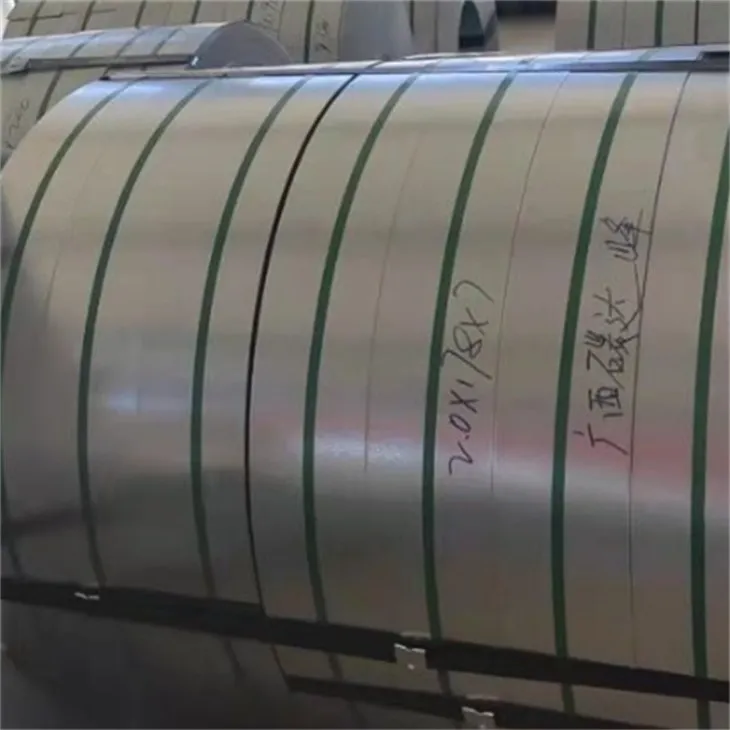
Galvalume Steel Strip is a continuous strip of steel coated with a galvalume alloy. It is commonly used in the production of electrical transformers, motors, and other magnetic components. The galvalume coating provides good corrosion resistance and magnetic properties, making it an ideal material for these applications.
Connect for Procurement and Collaboration
If you are involved in projects that require high-quality GL Coils or any of our related products, I encourage you to reach out for procurement and collaboration. Our team of experts is dedicated to providing you with the best solutions tailored to your specific needs. We can offer technical support, product samples, and competitive pricing to ensure a smooth and successful partnership. Whether you are working on a small-scale prototype or a large industrial project, we have the expertise and resources to meet your requirements.
References
- "Magnetic Circuits and Transformers" by Richard C. Dorf and James A. Svoboda
- "Electric Machinery" by Stephen J. Chapman
- "Power Electronics: Converters, Applications, and Design" by Ned Mohan, Tore M. Undeland, and William P. Robbins