

Can angle steel be used in nuclear power plants? This is a question that often comes up in discussions within the construction and engineering industries. As an angle steel supplier, I've had my fair share of inquiries about the suitability of angle steel for use in nuclear power plants. In this blog post, I'll explore the properties of angle steel, the requirements of nuclear power plants, and whether angle steel can indeed be used in these high - stakes environments.
Properties of Angle Steel
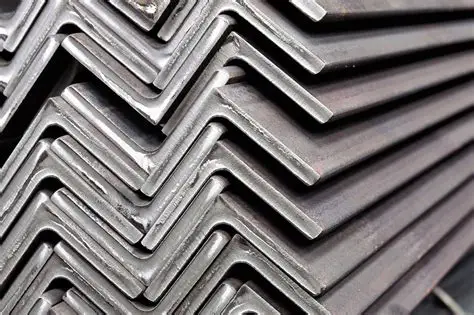
Angle steel, also known as L - shaped steel, is a versatile structural steel product. It is characterized by its L - shaped cross - section, which provides excellent strength and stability in various applications. Angle steel is typically made from carbon steel or alloy steel, and its mechanical properties can be adjusted through different manufacturing processes such as hot - rolling or cold - forming.
One of the key advantages of angle steel is its high strength - to - weight ratio. This means that it can support significant loads while keeping the overall weight of the structure relatively low. Additionally, angle steel is easy to fabricate and install. It can be cut, welded, and bolted to form different structural components, making it a popular choice in many construction projects.
There are different types of angle steel available in the market. For instance, GB Equal Steel Angle is a type of angle steel that conforms to specific Chinese national standards. It has equal leg lengths and is widely used in general construction due to its standard dimensions and reliable performance. Agricultural Machinery And Vehicles Manufacture Angle Steel is designed to meet the specific requirements of the agricultural machinery and vehicle manufacturing industries. It may have different surface treatments and mechanical properties to withstand the harsh working conditions in these sectors. Large Section Steel Angle Steel is used in large - scale construction projects where high load - bearing capacity is required.
Requirements of Nuclear Power Plants
Nuclear power plants are highly specialized facilities that require the use of materials with extremely high reliability and safety standards. The materials used in nuclear power plants must be able to withstand harsh environmental conditions, including high temperatures, high pressures, radiation, and corrosion.
Radiation resistance is one of the most critical requirements. Nuclear power plants generate a significant amount of radiation, and the materials used in the plant must be able to maintain their mechanical and chemical properties under radiation exposure. If a material degrades under radiation, it can compromise the integrity of the structure and pose a serious safety risk.
Corrosion resistance is also essential. Nuclear power plants often operate in wet or humid environments, and the materials used must be able to resist corrosion to prevent structural failure. High - temperature and high - pressure resistance are necessary as well, as the operating conditions inside a nuclear power plant can be extremely demanding.
Can Angle Steel Be Used in Nuclear Power Plants?
The answer to whether angle steel can be used in nuclear power plants is not a simple yes or no. It depends on several factors.
In some non - critical areas of a nuclear power plant, angle steel can potentially be used. For example, in the auxiliary buildings or support structures that are not directly exposed to high - level radiation or extreme operating conditions, angle steel can provide the necessary structural support. Its high strength - to - weight ratio and ease of fabrication make it a cost - effective option for these applications.
However, in the core areas of the nuclear power plant, such as the reactor containment building or the primary coolant system, the use of angle steel is more restricted. These areas require materials with exceptional radiation resistance, corrosion resistance, and high - temperature stability. Standard angle steel may not meet these stringent requirements.
To be used in critical areas, angle steel would need to be specially designed and manufactured. It would have to be made from materials with high radiation resistance, such as certain types of stainless steel or alloy steels. The manufacturing process would also need to be carefully controlled to ensure the quality and consistency of the angle steel. Surface treatments may be applied to enhance its corrosion resistance.
Considerations for Using Angle Steel in Nuclear Power Plants
If angle steel is to be used in nuclear power plants, several considerations need to be taken into account.
Material Selection: As mentioned earlier, the material of the angle steel is crucial. Special alloy steels or stainless steels that have been proven to have good radiation and corrosion resistance should be selected. The chemical composition of the steel needs to be carefully controlled to ensure its performance under the specific conditions of the nuclear power plant.

Quality Control: Stringent quality control measures must be in place during the manufacturing process. This includes strict inspection of the raw materials, monitoring of the manufacturing parameters, and comprehensive testing of the finished angle steel. Non - destructive testing methods, such as ultrasonic testing and radiographic testing, can be used to detect any internal defects in the angle steel.
Certification and Compliance: The angle steel used in nuclear power plants must comply with relevant international and national standards. It should be certified to meet the specific requirements of the nuclear power industry. This certification provides assurance that the angle steel has been manufactured to the highest quality and safety standards.
Case Studies
There have been some cases where angle steel has been used in nuclear power plant projects. In some older nuclear power plants, angle steel was used in the construction of the auxiliary structures. These structures were not directly exposed to the core radiation but still required reliable structural support. The angle steel used in these projects was carefully selected and tested to ensure its suitability for the environment.
In more recent projects, the use of angle steel in critical areas has been explored. Some research institutions and steel manufacturers have been working on developing special angle steel with enhanced radiation and corrosion resistance for use in nuclear power plants. Although these developments are still in the experimental stage, they show the potential for angle steel to play a more significant role in the future of nuclear power plant construction.
Conclusion
In conclusion, angle steel can have a place in nuclear power plants, but its use is highly dependent on the specific application and the requirements of the area within the plant. In non - critical areas, it can be a viable option due to its strength, ease of fabrication, and cost - effectiveness. However, in critical areas, special attention must be paid to material selection, quality control, and compliance with standards.
As an angle steel supplier, I understand the importance of providing high - quality products that meet the diverse needs of our customers. We are committed to working with the nuclear power industry to develop and supply angle steel that can meet the strict requirements of these facilities. If you are involved in a nuclear power plant project or have any inquiries about the use of angle steel in such applications, I encourage you to contact us for further discussion and potential procurement opportunities.
References
- "Materials for Nuclear Power Plants" - A comprehensive guide on the materials used in nuclear power plants published by an international nuclear research organization.
- "Structural Steel Design for Special Environments" - A technical book that discusses the design and use of structural steel in high - risk environments such as nuclear power plants.
- Industry standards and regulations related to nuclear power plant construction and material selection.