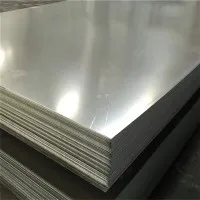
Modern stadiums demand long, dramatic roof canopies that provide weather protection while preserving sightlines and acoustic quality. Engineers achieve these objectives using performance-grade plates, welded box ribs, and bespoke fabricated nodes. These elements are produced with strict material specifications and controlled fabrication to ensure low residual stress and high fatigue resistance-critical where variable crowd-induced vibrations and wind loading interact over wide spans.
Architects and structural engineers collaborate to optimize section shapes and connection systems so the canopy remains elegant yet robust. Shop fabrication allows tight tolerances and advanced welding techniques, which, combined with precision bolting at the site, accelerate erection and reduce field welding. Where corrosion risk is elevated-such as coastal or polluted urban sites-specifying stainless alloys or enhanced coating systems on the exposed structural members improves longevity and reduces lifecycle maintenance.
Beyond pure strength, performance-grade detailing addresses serviceability: designers tune stiffness to control deflections that could affect cladding or lighting arrays and incorporate access for maintenance gantries and catwalks. Integration of drainage, acoustic baffles, and lighting rigging into the structural arrangement reduces secondary framing and keeps the canopy sleek and serviceable. When executed properly, a stadium canopy formed from engineered steel components delivers a memorable architectural gesture underpinned by rigorous structural performance.
In large-scale sports and events venues, investing in quality fabrication, material traceability, and performance-grade detailing ensures roofs remain safe, maintainable, and visually striking for decades-making structural steel the material of choice for many signature canopies around the world.